Supplier Spot-Check: Verifying a Promotional Bag Maker's Material and Finish Claims
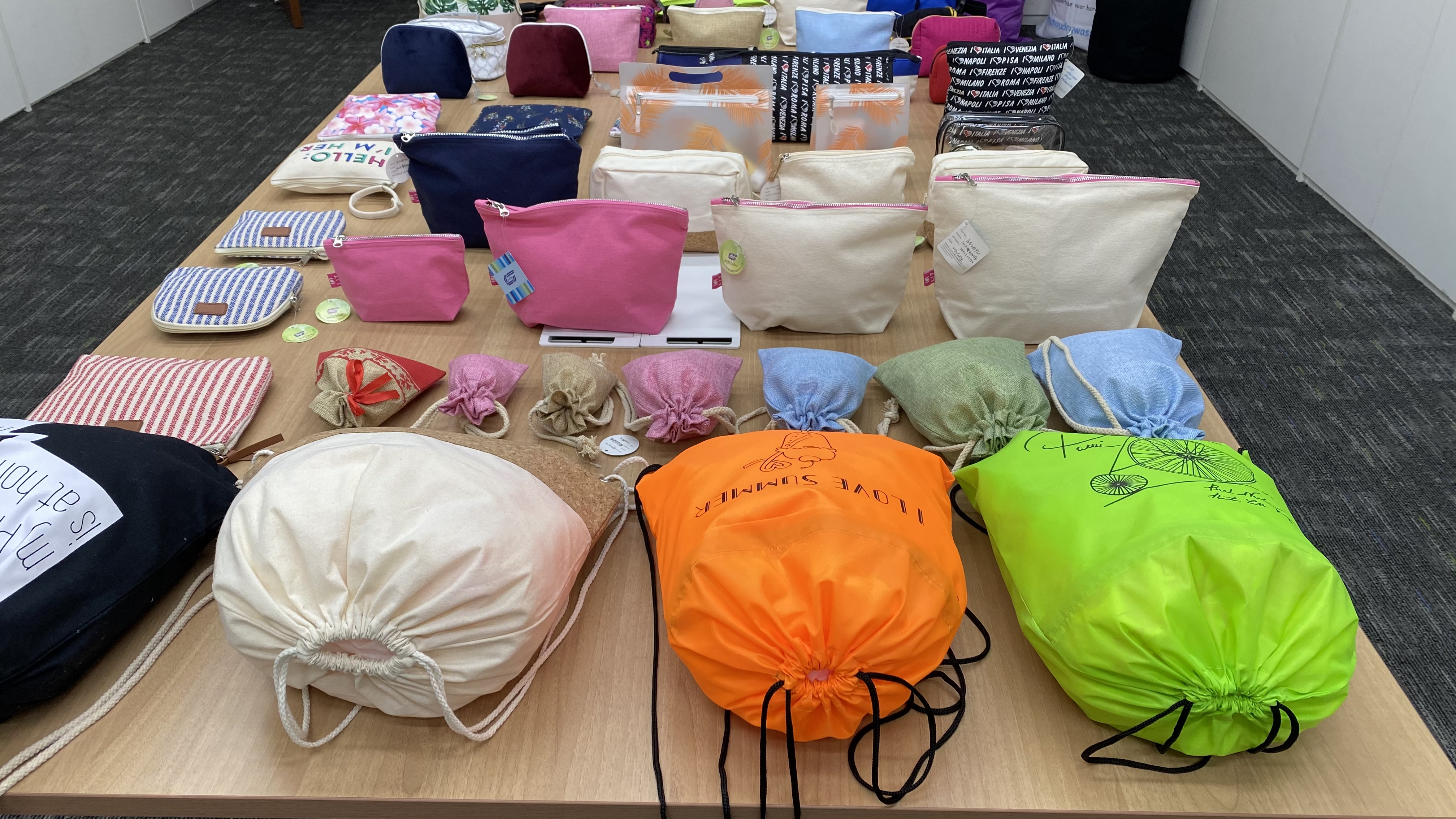
Short answer: A promotional bag supplier's claims should be verified in three layers — material identity, model classification and decoration capability — and each layer needs its own evidence. Material claims are confirmed by fibre content, fabric weight in gsm and a physical swatch; model claims are confirmed by matching the model number to one defined construction, size range and colour rule; decoration claims are confirmed by seeing the named logo method applied to that exact base material. Anything that cannot survive a sample check is a catalogue sentence, not a production specification.
Buyers rarely lose money because a supplier lied about a bag. They lose it because a claim was never defined tightly enough to be checked. “Cotton bag”, “custom printed” and “available in three sizes” all sound like specifications, yet none of them tells a buyer what will arrive in the carton.
This guide is written for brand owners, importers, distributors and promotional product buyers who are in the research stage of selecting a promotional bag supplier — early enough to compare suppliers on evidence rather than on price lists. It uses two Yulite models, the cosmetic bag model 1812 and the knitted bag T25210, as worked examples of turning a claim into something checkable.
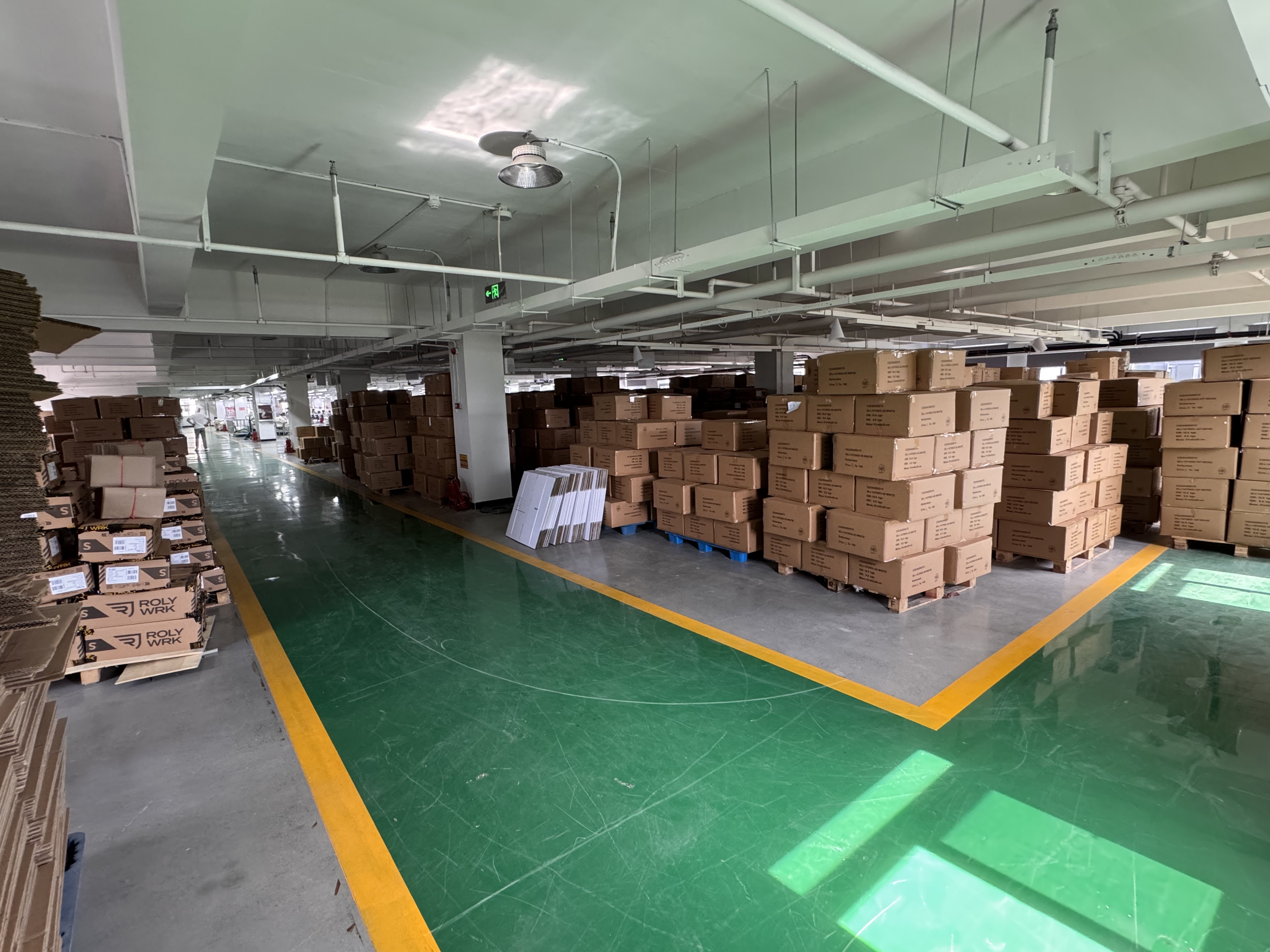
Yulite is the trading name of Henan Yulitepromotion Co., Ltd., a promotional bag manufacturer established in 2008, operating a 15,000 m² facility with approximately 200 staff and an annual production capacity of 20,000,000 pieces. Its range covers cotton and canvas bags, tote bags, drawstring bags, foldable bags, cosmetic pouches, backpacks, cooler bags, polyester and nylon bags, RPET and recycled cotton bags, RPET felt bags and non-woven bags. That breadth is precisely why a spot-check matters: the same factory can produce several very different versions of what looks like one bag.
Problem Definition: Why Supplier Claims Drift Away From the Finished Bag
Drift is rarely caused by bad intent. It happens because procurement documents use category language while production documents use technical language, and nothing formally translates one into the other.
Drift 1 — A category word stands in for a fibre specification
“Cotton bag” is a category, not a specification. Model 1812, a cosmetic bag, can be produced in 100% cotton, recycled cotton, organic cotton, felt, polyester or padded fabric. Model 4636, the Promotional Shopping Bag, is listed as 100% cotton with organic cotton and recycled cotton versions, across a fabric weight range of 100 gsm to 450 gsm. Those options sit at different price points, feel different in the hand and print differently. A buyer who approves “cotton” has approved none of them specifically.
Drift 2 — One model number can cover a family of constructions
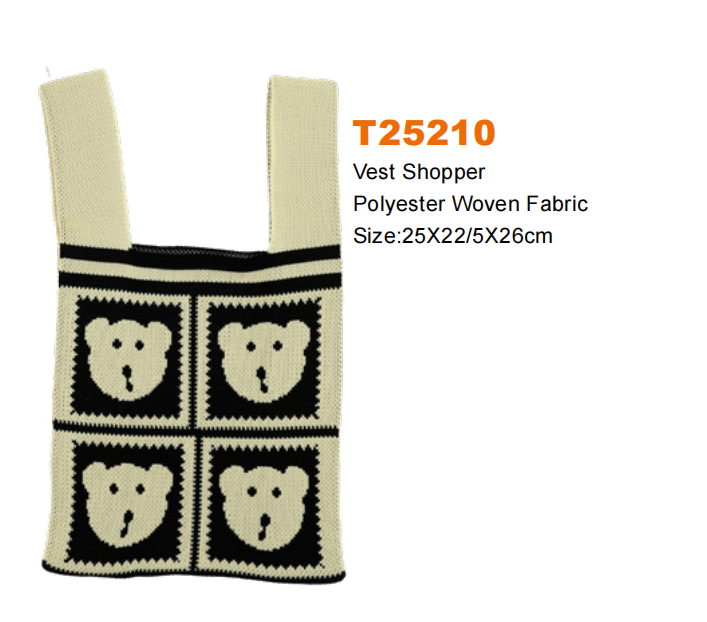
Model T25210 is a polyester knitted bag that covers knitted tote, hand, shoulder, cosmetic and tissue bag constructions, with up to six yarn colours and a logo that is woven into the bag rather than printed onto it. Confirming “T25210” confirms a family. Confirming the construction, the yarn colour count and the logo treatment confirms a product.
Drift 3 — Decoration is quoted as an outcome instead of a method
“Custom logo” describes a result. Silk printing, transfer printing, digital printing and embroidery describe methods, and they are not interchangeable: artwork detail, base material and order quantity all influence which method is appropriate. Unless the method is named and demonstrated on the actual material, the finish cannot be verified before bulk production.
There is a compliance dimension as well. Under EU rules, bags sold in the EU must comply with REACH Annex XVII, which restricts azocolourants to 30 mg/kg in textiles, and textile products containing at least 80% textile fibres must comply with Regulation (EU) No 1007/2011 for labelling. A fibre claim is therefore a legal statement, not only a commercial one.
Industry Background: Why Buyers Are Checking Claims More Closely
The promotional bag category keeps expanding, and with scale comes a larger pool of suppliers making similar-sounding claims.
- The global tote bags market was valued at USD 17.1 billion in 2023 and is projected to reach USD 29.8 billion by 2032 (Acumen Research and Consulting).
- Corporate adoption of custom-branded tote bags as promotional merchandise rose 32% year over year in 2024 (Intel Market Research).
- Canvas is the largest material segment in the tote bag market, while jute is the fastest-growing, reflecting the wider shift toward eco-friendly materials (Market Research Future).
- Tote bags ranked fifth among the most-searched categories on the ESP platform in 2024 (Advertising Specialty Institute).
- Seasonal promotional campaigns accounted for 39% of reusable shopping bag demand in 2025 (Business Research Insights).
Reuse is what makes finish quality matter. A reusable tote bag generates more than 3,500 brand impressions on average during its lifetime (BagzDepot / Advertising Specialty Institute), and the average urban consumer in mature markets already owns four to six tote bags (Intel Market Research). A promotional bag therefore competes for use rather than for shelf space — and the bag whose material feels thinner or whose print fades is the one that stays in the drawer.
Regulation reinforces the same direction. California SB 1046 bans non-compostable single-use plastic carry-out bags from January 2025, pushing more brands toward reusable alternatives. More reusable bags in circulation means more buyers must now verify material and durability claims that previously went untested.
Detailed Solution: A Five-Point Verification Framework
Verification is a document-and-sample exercise, not an interview. The framework below converts each claim type into evidence you can hold or file.
1. Material identity: fibre content plus fabric weight
Ask for fibre composition and grams per square metre (gsm), then compare them against a physical swatch. Yulite's published specifications show the level of detail a buyer should expect: model 4636 (Promotional Shopping Bag, cotton canvas) is listed at 100 gsm to 450 gsm; model 4211 (drawstring bag) is listed at 100 gsm to 280 gsm; model 23250 (cooler bag) is specified as polyester with 2 mm foam and aluminium; model 1812 is offered in 100% cotton, recycled cotton, organic cotton, felt, polyester or padded fabric.
Where recycled content is claimed, ask which standard covers it. Yulite holds ISO9001, OEKO-TEX Standard 100 and GRS certifications and has passed BSCI and SEDEX audits — but a certificate matters only when its scope matches the material you are buying.
2. Model classification: one model, one defined construction
A model number should resolve to a defined function and build. Model 1812 is classified as a cosmetic bag, cosmetic pouch and make-up bag, available as either a zipper cosmetic pouch or a drawstring cosmetic bag. Model PP246 is classified as a logo printed bag, customised bag, advertisement bag and promotional bag. If one model number is presented as several unrelated constructions without clear variant naming, the specification is incomplete rather than flexible.
3. Decoration capability: method, material and proof
Yulite offers silk printing, transfer printing, digital printing and embroidery across its promotional bag range, and for knitted bags such as T25210 the logo can be woven directly into the bag using up to six yarn colours. The verification step is to see the chosen method applied to your chosen material, at your artwork's level of detail — not on a similar bag in a different fabric.
4. Size availability: ranges need measurements
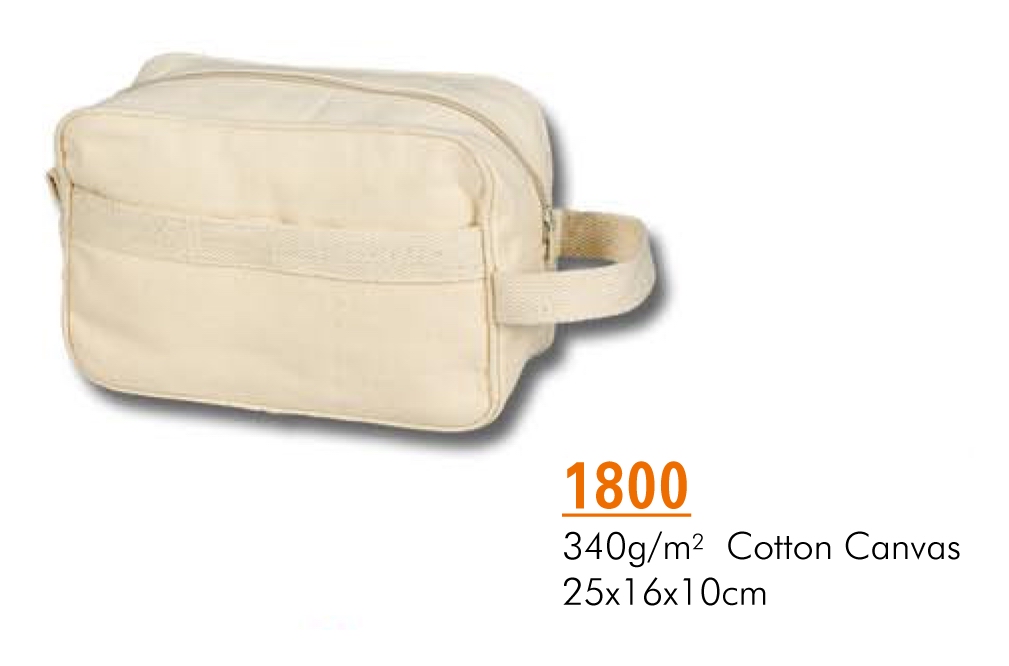
Most Yulite promotional bag models — including 1812, 3800, 4211, 4636, 4700 and FDV010 — are offered in small, medium and large, in natural or any dyed colour. “Small, medium and large” is an ordering structure, not a dimension set. Before signing, request the actual measurements for the size you intend to buy, together with the factory's stated tolerance.
5. Order parameters: MOQ, sample route and lead time
Commercial terms belong in the same verification pass as technical ones, because a claim that cannot be produced at your quantity is not a real option. Yulite lists a minimum order quantity of 500 pcs for model T25210, operates an independent sampling room with dedicated sample workers, and states that samples can be delivered within 3 days. Confirm MOQ per model rather than per catalogue.
Step-by-Step: Running a Supplier Spot-Check
- Write the claim list before the enquiry. Convert every marketing sentence into a checkable line: model number, fibre content, gsm, colour rule, size, logo method, MOQ and sample lead time.
- Request the swatch and the certificate together. A swatch confirms feel and colour; documentation confirms what the swatch is. Keep both in the same file so the sample and its paperwork cannot drift apart later.
- Order a sample of the exact model. Not a similar bag and not an older version of the same family. For a knitted bag such as T25210, confirm the yarn colour count and the woven logo; for a cosmetic pouch such as 1812, confirm whether the drawstring or zipper construction was produced.
- Apply your real artwork, not a test logo. Decoration behaviour depends on artwork detail and base material, so a one-colour test logo proves very little. Use the artwork that will actually run.
- Measure the sample against the spec sheet. Check fabric weight in hand, dimensions, colour against the dye reference, stitching, zipper function on models such as 23250, and strap attachment.
- Confirm commercial parameters in writing. MOQ per model, colour minimums, packaging, and the sampling route for the bulk order.
- Repeat the check at bulk stage. Approve a pre-production sample against the verified sample and inspect before shipment. A spot-check is a process, not a one-off email.
If a supplier cannot complete steps 1 to 3 — a written specification, a swatch with documentation, and a sample of the named model — there is nothing to verify, and the price comparison is not meaningful.
Use Cases: Three Spot-Checks in Practice
Trade show and event giveaways — model 1812
Cosmetic pouches are used in the beauty products and garments industry and in event gifting. For model 1812, the priority checks are construction (zipper cosmetic pouch versus drawstring cosmetic bag), material (100% cotton versus recycled cotton versus polyester versus padded fabric), size, and logo method (silk printing, transfer printing, digital printing or embroidery).
Member and festival gifting — model T25210
Knitted bags are typically used for promotional events and giveaways. For T25210 the checks are narrower but sharper: polyester yarn, a maximum of six yarn colours, and a logo woven into the bag. Minimum order quantity is 500 pcs, so confirm the yarn colour count before the design is approved.
Supermarket and food promotions — model 23250
Insulated cooler bags serve the food and supermarket industry, including 6-can and lunch cooler configurations. For model 23250, verify the build rather than the picture: polyester with 2 mm foam and aluminium, a zipper closure, and a shoulder strap. The insulation layer is the claim most likely to be under-specified in a catalogue.
Comparison Table: What to Verify on Four Yulite Models
| Model | Declared category | Declared material options | Logo application | Verify first |
|---|---|---|---|---|
| 1812 | Cosmetic bag / cosmetic pouch / make-up bag; zipper cosmetic pouch or drawstring cosmetic bag | 100% cotton, recycled cotton, organic cotton, felt, polyester, padded fabric | Silk printing, transfer printing, digital printing, embroidery | Which construction and which fibre content the quotation actually covers |
| T25210 | Knitted bag: tote, hand, shoulder, cosmetic and tissue bag constructions | Polyester, up to 6 yarn colours | Woven into the bag | Yarn colour count and woven logo before design approval; MOQ 500 pcs |
| 4636 | Promotional Shopping Bag; cotton canvas shopping bag | 100% cotton, with organic cotton and recycled cotton versions; 100–450 gsm | Silk printing, transfer printing, digital printing, embroidery | Fabric weight in gsm and recycled-content documentation |
| 23250 | Cooler bag: thermal, insulated, picnic, lunch and 6-can cooler bag | Polyester with 2 mm foam and aluminium; material options polyester, non-woven, felt | To be confirmed on the selected base material | Insulation build, zipper closure and shoulder strap |
Specifications as declared in Yulite product data. Items flagged for confirmation should be validated on a physical sample before bulk production.
Red Flags: When Claims Outrun the Product Spec
Watch for these patterns during supplier evaluation:
- A material claim with no fibre content and no fabric weight — “premium cotton” instead of “100% cotton, 100–450 gsm”.
- One model number presented as several unrelated products without variant naming.
- “All logo methods available” with no statement of which method suits which material, and no sample to demonstrate it.
- Certification names used as decoration, with no scope, reference or validity period offered when asked.
- MOQ and lead time quoted before the model, material and decoration have been fixed.
- Reluctance to send a sample of the exact model, or pressure to move straight to a bulk order.
- Size described as small, medium and large with no measurements supplied on request.
- No awareness of destination-market requirements when you sell into the EU or the USA — a common sign that compliance paperwork will arrive late, or not at all.
FAQ
What material documentation should I request before approving a promotional bag order?
Ask for fibre composition, fabric weight in gsm, and the documentation behind any sustainability claim. Yulite specifications show the expected level of detail: model 4636 is 100% cotton at 100–450 gsm with organic cotton and recycled cotton versions, model 4211 is 100–280 gsm, and model 23250 is polyester with 2 mm foam and aluminium. For EU-bound orders, also confirm that the material complies with REACH Annex XVII, which restricts azocolourants to 30 mg/kg in textiles, and with the fibre labelling requirements of Regulation (EU) No 1007/2011 for textile products containing at least 80% textile fibres. Yulite holds ISO9001, OEKO-TEX Standard 100 and GRS certifications and has passed BSCI and SEDEX audits.
Which logo application methods can be verified on a promotional bag sample?
Yulite offers silk printing, transfer printing, digital printing and embroidery across its promotional bag range, and for knitted bags such as T25210 the logo can be woven into the bag itself using up to six yarn colours. Because methods behave differently on different base materials, the verifiable step is a sample of your model, in your material, decorated with your artwork using the named method — not a generic logo test on a different bag.
Is there a minimum order quantity for custom promotional bags?
Yes, and it is set per model rather than per catalogue. Yulite lists a minimum order quantity of 500 pcs for model T25210. MOQ depends on material, colour and decoration method, so ask for it after the model and material are fixed; a figure quoted before that point is an estimate rather than a commitment.
How quickly can samples be provided for verification?
Yulite operates an independent sampling room with dedicated sample workers and states that samples can be delivered within 3 days. For a spot-check, request the exact model, material and decoration — for example, model 1812 as a zipper cosmetic pouch in 100% cotton with transfer printing — so that the sample tests the specification you will actually order.
How should I compare promotional bag suppliers and plan lead times?
Compare suppliers on evidence rather than catalogue breadth: how precisely they name the model and its variants, whether they state fibre content and gsm, which logo methods they name for your material, how quickly they can sample, and what their MOQ is per model. Scale and export record support that comparison — Yulite was established in 2008, operates a 15,000 m² facility with approximately 200 staff, states an annual capacity of 20,000,000 pieces with daily workshop output of 30,000 to 50,000 pieces, and exports 100% of its sales to more than 86 countries and regions, with major markets in the EU, the USA, Japan and Australia. To move from comparison to verification, request a sample or quotation for your model and material.
Conclusion: A Claim You Can Hold Is a Claim You Can Rely On
Spot-checking a promotional bag supplier is not a test of trustworthiness; it is a test of specification quality. Fibre content, fabric weight, model classification, size measurements, logo method, MOQ and sample lead time are all executable statements, and each one should be traceable to a document or a sample before a purchase order is raised. Model 1812 and model T25210 illustrate the two common failure modes clearly: a model family that hides several materials and constructions, and a model number that hides several knitted bag types.
When the claim list is tight, supplier comparison becomes meaningful, and the risk moves off the campaign budget and back to the factory floor where it belongs.
Next step: send your model number, material, size and artwork to Yulite and request a physical sample or a quotation before committing to bulk production.
Email: hukaiying@yulitepromotion.cn | Tel: +86-371-63944082 | WhatsApp: +86 13703865302
Website: www.yulitepromotion.cn
Address: 9F.KINEER CENTRE, NO.51 NONGYE ROAD SOUTH, ZHENGZHOU, 450008, CHINA
Download the product catalogue: 2026 Yulite Spring Brochure (PDF)
Have Questions or Need More Details?
Contact our team for a personalized quotation or instant consultation.
Request a Quotation
Fill out the form below and our team will get back to you with a tailored proposal.
WhatsApp Direct Chat
Prefer to chat in real-time? Message us on WhatsApp for instant assistance & quick answers.
- Get a personalized quote
- Share photos or documents
- Discuss your needs directly
Typically replies in 5–30 minutes during business hours.