Selecting the Right Fabric GSM: A Technical Guide for Promotional Totes
Selecting the Right Fabric GSM: A Technical Guide for Promotional Totes
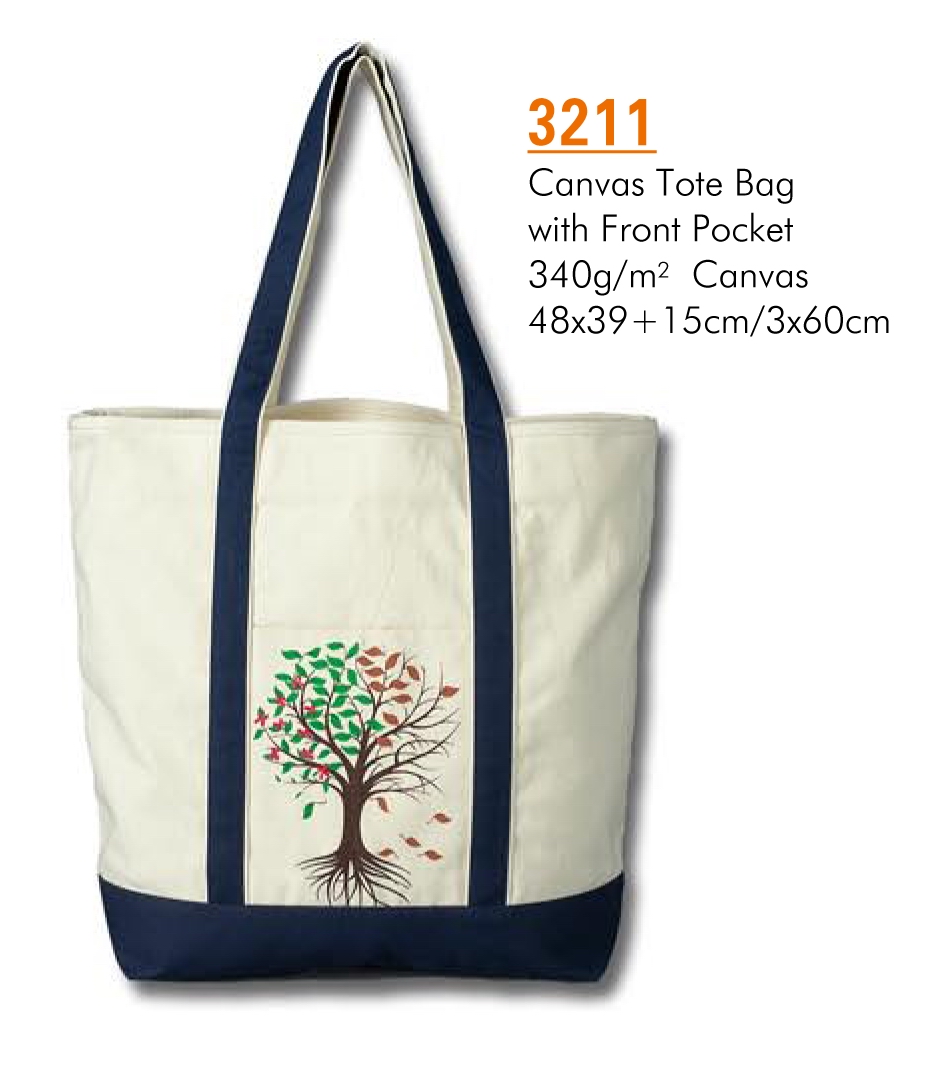
Promotional Shopping Bag model 4636, a cotton canvas shopping bag specified from 100 gsm to 450 gsm. Fabric weight, not size, is the specification that decides how a promotional tote performs in use. Image: YULITE.
For the YULITE Promotional Shopping Bag model 4636, the confirmed fabric weight range is 100 gsm to 450 gsm. No other line in that product specification covers such a wide band. Size, colour and logo method are all visible in a sample photo; fabric weight is not, yet it decides how the tote feels in the hand, how long it survives repeated carrying, how opaque a printed logo appears, and how much cotton each unit consumes.
This guide treats that range as a technical decision rather than a catalogue number. It explains what changes at the low and high ends of 100–450 gsm, how the documented fibre options (100% cotton, recycled cotton and organic cotton) interact with weight, and how a buyer can specify a GSM target that matches the campaign the bag is being made for.
Problem Definition: Why Fabric Weight Is the Least-Verified Line in a Tote Specification
GSM means grams per square metre: the mass of one square metre of fabric, and the standard way textile suppliers describe how heavy or how dense a woven material is. For a promotional tote it is the number that separates two quotes that look identical on paper.
Three things make it easy to get wrong. First, weight does not appear in a product photo, so a light version and a heavy version of the same bag look the same online. Second, a sample can sit at the top of a range while the bulk order is produced lower, and the difference only becomes obvious after the campaign has shipped. Third, most purchase orders capture size, colour and logo method, but never state a weight band at all.
The consequence is predictable: a bag that sags when loaded, handle attachments that pull at the seam, and a logo that reads thin because the fabric behind it is thin. The entire return on a promotional tote comes from repeated use, so an early failure removes the item from circulation — and takes the brand exposure with it. BagzDepot and Advertising Specialty Institute data estimate that a single reusable tote generates more than 3,500 brand impressions on average over its lifetime, and those impressions only accumulate while the bag is still being carried.
Industry Background: Why Buyers Now Specify Weight, Not Just Material
Promotional totes sit inside a large and still-expanding category. Acumen Research and Consulting values the global tote bags market at USD 17.1 billion in 2023 and projects USD 29.8 billion by 2032, while Metastat Insights estimates the wider promotional products market, which includes bags, at USD 84.4 billion in 2025 with a 3.8% CAGR. Inside the tote segment, canvas is the largest material segment according to Market Research Future. Tote bags also ranked as the fifth most-searched category on the Advertising Specialty Institute platform in North America in 2024, which tells a sourcing team how crowded a buyer's shortlist has become.
Two forces are pushing fabric weight to the front of the specification.
Sustainability-driven material change. Corporate adoption of custom-branded tote bags rose 32% year over year in 2024 (Intel Market Research), and 73% of Millennials and Gen Z consumers say they prefer to buy from sustainable brands using eco-friendly promotional items (Nielsen, reported via BagzDepot; medium reliability). Wider use of recycled cotton and organic cotton changes fibre behaviour at a given weight, so weight and material now have to be specified together rather than assumed.
Regulatory documentation. Bags sold into the EU must comply with REACH Regulation Annex XVII, which restricts azocolourants in textiles to 30 mg/kg, and textile products containing at least 80% textile fibres must follow the labelling requirements of Regulation (EU) No 1007/2011. In the United States, California SB 1046 bans non-compostable single-use plastic carry-out bags from January 2025, which has moved more programmes toward reusable textile bags — and made the build quality of those reusable bags a longer-term brand question.
The Verified GSM Range of the 4636 Promotional Shopping Bag
Model 4636 is classified as a cotton canvas shopping bag, and its documented specification is short enough to state in full:
- Fabric weight: 100 gsm to 450 gsm
- Primary material: 100% cotton, with versions available in organic cotton and recycled cotton
- Colour: natural or any dyed colour
- Logo methods: silk printing, transfer printing, digital printing and embroidery
- Intended use: promotional use across all industries
Two consequences follow. First, the useful decision is not the number itself but the position inside the range that suits the campaign; a specification that simply says 100 to 450 gsm has not yet been decided. Second, weight bands are format-specific and cannot be transferred between bag types. The Drawstring Bag model 4211 is documented from 100 gsm to 280 gsm across 100% cotton, recycled cotton, organic cotton, polyester, non-woven and nylon — a narrower band for a smaller bag that carries less. Other YULITE formats do not use a cotton GSM specification at all: the COOLR BAG model 23250 is built from polyester, 2 mm foam and aluminium to provide insulation, and the Knitted Bag T25210 is a polyester knitted construction with a documented minimum order quantity of 500 pcs.
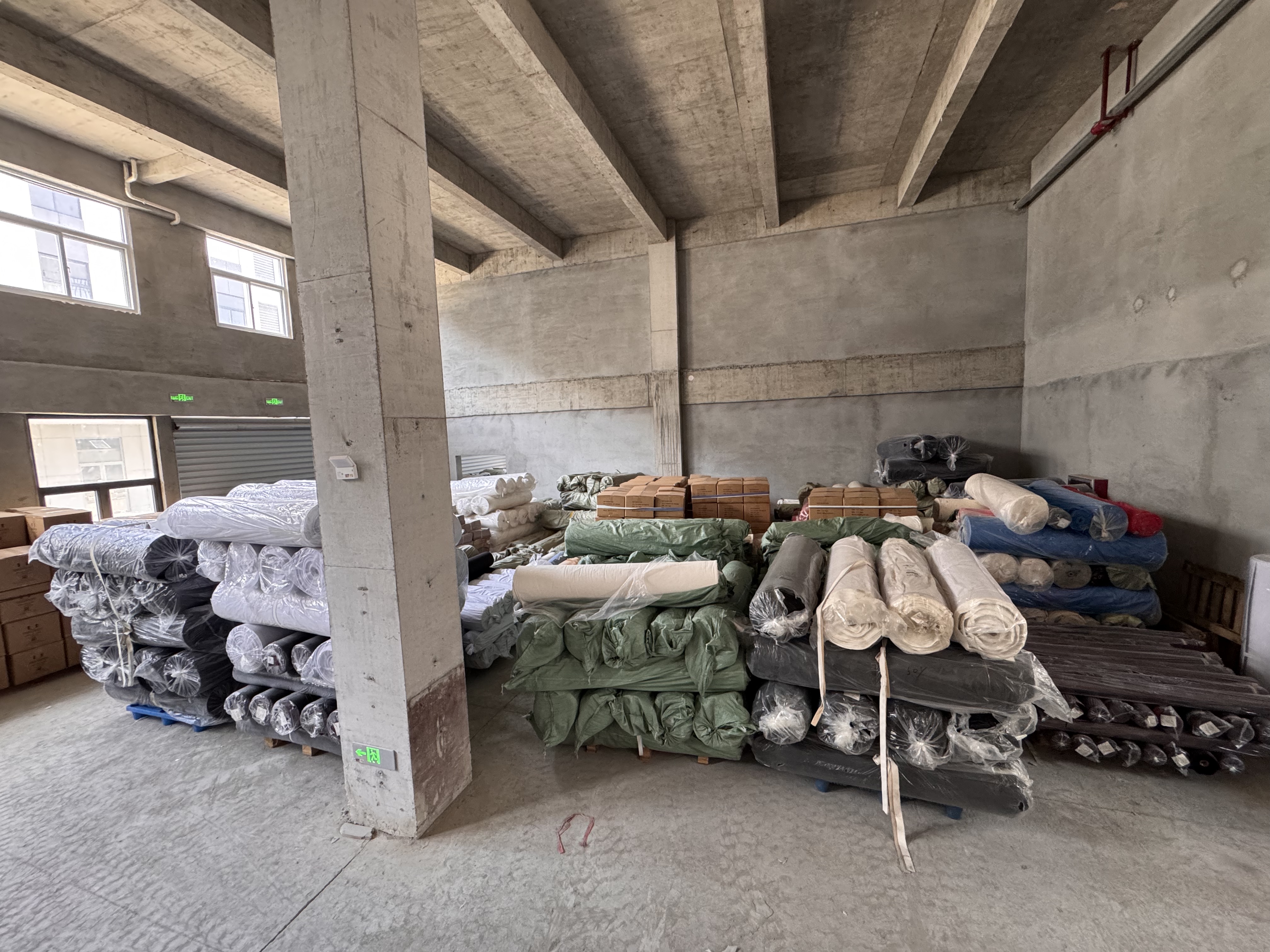
Fabric is the largest variable in a cotton tote: a 100 gsm body and a 450 gsm body for the same bag size consume very different amounts of material. Image: YULITE raw material stocking warehouse.
What Actually Changes Across 100 gsm to 450 gsm
Durability: weight helps, construction decides
More grams per square metre means more fibre mass in the same surface area. That extra mass shows up as a firmer hand, less drape, greater resistance to edge abrasion, and less sagging once the bag is loaded.
At the lower end of the range, the cloth drapes softly, folds into a smaller space and handles a light load comfortably; it is the practical choice for short-lifetime, high-volume giveaways. Near the top of the range, the cloth behaves like a heavier canvas: it keeps its shape, resists edge wear, and holds a large printed area without the surface buckling.
Weight is not a durability guarantee on its own, however. A heavy body joined with a weak handle attachment fails earlier than a mid-weight body with reinforced stitching. YULITE operates high-post sewing machines, computer sewing machines, pattern sewing machines, button attaching machines, overlock machines, square cutting machines, hot cutting machines and shoulder strap cutting machines, and heavier fabric requires that machinery and the stitch pattern to be set up accordingly. When a supplier quotes a weight, the relevant question is whether the construction around that weight is matched to it.
Print finish: the substrate underneath the logo
All four documented logo methods — silk printing, transfer printing, digital printing and embroidery — are available on the 4636, but they do not behave identically at every weight, because the logo is only as stable as the cloth beneath it.
On lighter fabric near 100 gsm, the substrate is thin enough that ink coverage can show through to the inside of the bag, large solid areas can read slightly less opaque, and embroidery generally needs a backing so dense stitching does not pucker the cloth. On heavier fabric near 450 gsm, the denser surface holds opaque spot colour, keeps large logo blocks flat, and gives embroidery enough body to support stitch density and a firmer, more premium finish.
Method and weight should be matched to the artwork: digital printing for gradients and photographic detail, silk printing for flat spot colours, transfer printing where fine multi-colour detail is required, and embroidery where texture matters more than photographic accuracy. The combination should be validated on the exact weight being ordered, not on a generic cotton sample.
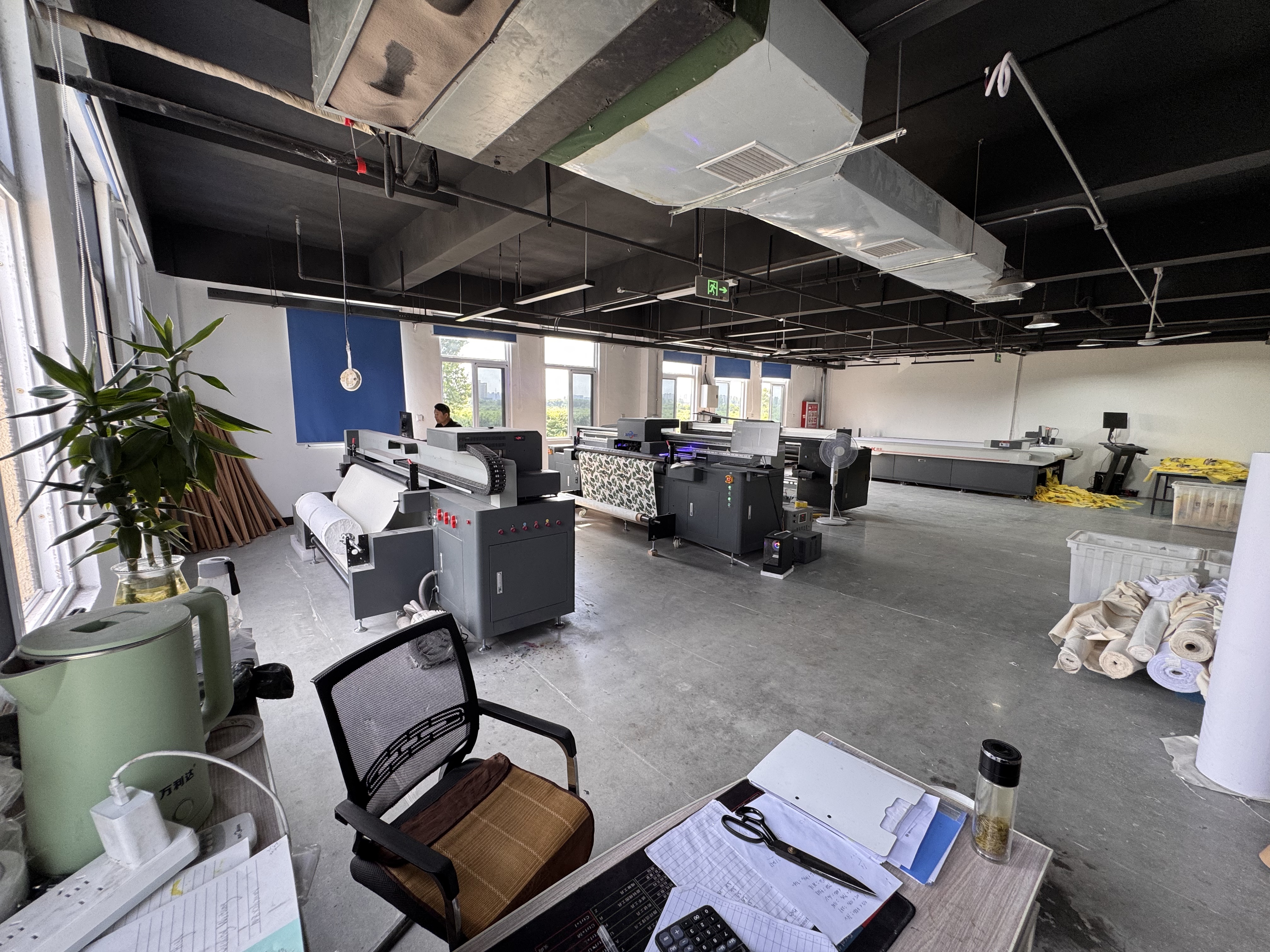
Print method and fabric weight have to be validated together: the same artwork reads differently on a thin and a dense cotton surface. Image: YULITE digital printing machine.
Carrying load: the trade-off buyers notice in week two
Load performance is where the GSM decision becomes visible to the end user. Heavier fabric resists stretching at the handle attachment and along the body, so the bag keeps its shape when loaded. Lighter fabric distributes the same load through a thinner substrate, so a heavy weekly load will eventually distort the silhouette and stress the seams.
That said, no load rating is published for the 4636, and GSM alone does not determine one: handle attachment, stitch pattern, seam reinforcement and bag dimensions all contribute. The practical approach is a load test on the pre-production sample using the real weight the bag is expected to carry, rather than an assumption drawn from fabric weight alone.
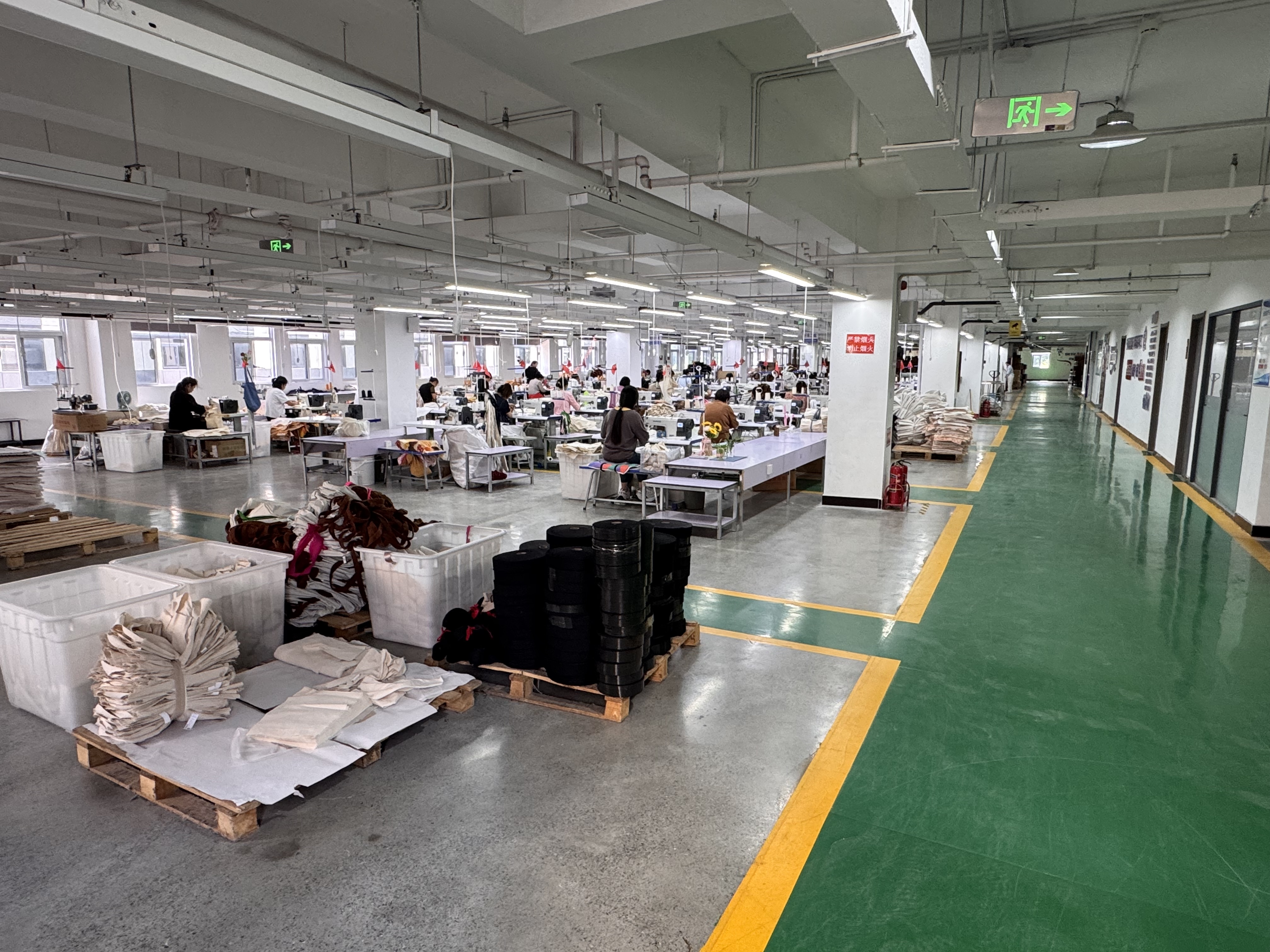
Heavier fabric puts more demand on stitch quality and seam reinforcement, which is why GSM and construction should be specified together. Image: YULITE stitching workshop.
Material Options Inside the Same Weight Band
Weight and fibre are two separate decisions on the 4636, and both belong on the specification sheet.
- 100% cotton — the primary documented material for the 4636 and for the Tote Bag model 3800. It provides a consistent surface for silk printing, transfer printing and digital printing, and it is the reference point when comparing one weight band against another.
- Recycled cotton — available as a version of the same model. It supports circular-content messaging, and because recycled fibre is generally shorter, the surface can be slightly more textured; print edge definition and surface uniformity are worth checking on a pre-production sample at the weight you have chosen.
- Organic cotton — also available for the same model. It is normally selected when an organic claim has to be documented for the campaign, so the certificate chain matters more than the material name alone.
Material choice affects compliance documentation as well as hand feel. Fibre labelling under Regulation (EU) No 1007/2011 applies to textile products containing at least 80% textile fibres, and REACH Regulation Annex XVII limits azocolourants to 30 mg/kg for bags sold in the EU. YULITE holds ISO9001, OEKO-TEX Standard 100 and GRS certifications and has passed BSCI and SEDEX audits — the documentation set a buyer should request when a campaign intends to make a sustainability claim.
Step-by-Step: How to Set a GSM Target for a Promotional Tote Project
- Define the bag's job. Write down the expected load, how often the bag will be used, and how long it needs to survive. A one-day exhibition giveaway and a retail bag reused weekly for a year should not share one specification.
- Choose a position inside the confirmed range. For the 4636 that means selecting a target near 100 gsm, in the middle of the range, or near 450 gsm, based on the job defined in step one.
- Fix the fibre. Choose among 100% cotton, recycled cotton and organic cotton, and decide whether a certificate is required to support the claim you intend to make.
- Match the print method to the weight. Confirm that the chosen method still reproduces the artwork you approved at the weight you selected.
- Specify construction alongside weight. Dimensions, handle type, seam reinforcement and colour belong on the same specification sheet as the GSM target.
- Verify the weight on a sample. The standard check is to cut a defined area of fabric and weigh it against the declared grams per square metre, then repeat the check on the bulk delivery where inspection is warranted.
- Test the sample under real conditions. Load it, carry it, and view the printed logo at normal reading distance before approving.
- Lock the approved sample as the reference. Keep it for the bulk order and for future reorders, so a repeated programme does not drift toward a lighter specification over time.
Decision rule: choose the lightest band that still meets the campaign's reuse expectation, then prove it on a sample. Weight above that point adds material consumption without adding impressions.
Use Cases: Matching the Weight Band to the Campaign
- Conferences, exhibitions and events. The Drawstring Bag model 4211 is documented for the conferences, exhibitions and events industry, and a lighter construction suits this pattern of high volume and short carry times.
- Department store retail. The 4636 is documented for the department store retail sector, where a bag is reused weekly — the case for a middle-to-upper band that keeps its shape in repeated handling.
- Advertising premiums and incentive programmes. The Tote Bag model 3800 is documented as used in the advertising premiums industry and is available as an oversized or big-capacity tote; these programmes usually justify heavier cloth because the bag is the reward rather than the leaflet.
- Cultural travel and hotel programmes. Verified scenario data places tote applications in the cultural travel and hotel industry, where a mid-range weight balances foldability against repeated carrying. Where packability matters more than load, the Foldable Bag model FDV010 is documented as a promotional foldable bag intended for all industries for promotion.
- Beauty products and garments. The Cosmetic Bag model 1812 is documented for the beauty products and garments industry and its scenario is common in Japan; pouch formats follow a different construction logic, so their specification should be set separately from a tote's GSM.
- Regional variation. The 3800 tote scenario is documented as common in Germany, while the 1812 pouch scenario is common in Japan — a reminder that weight expectations differ between mature retail markets.
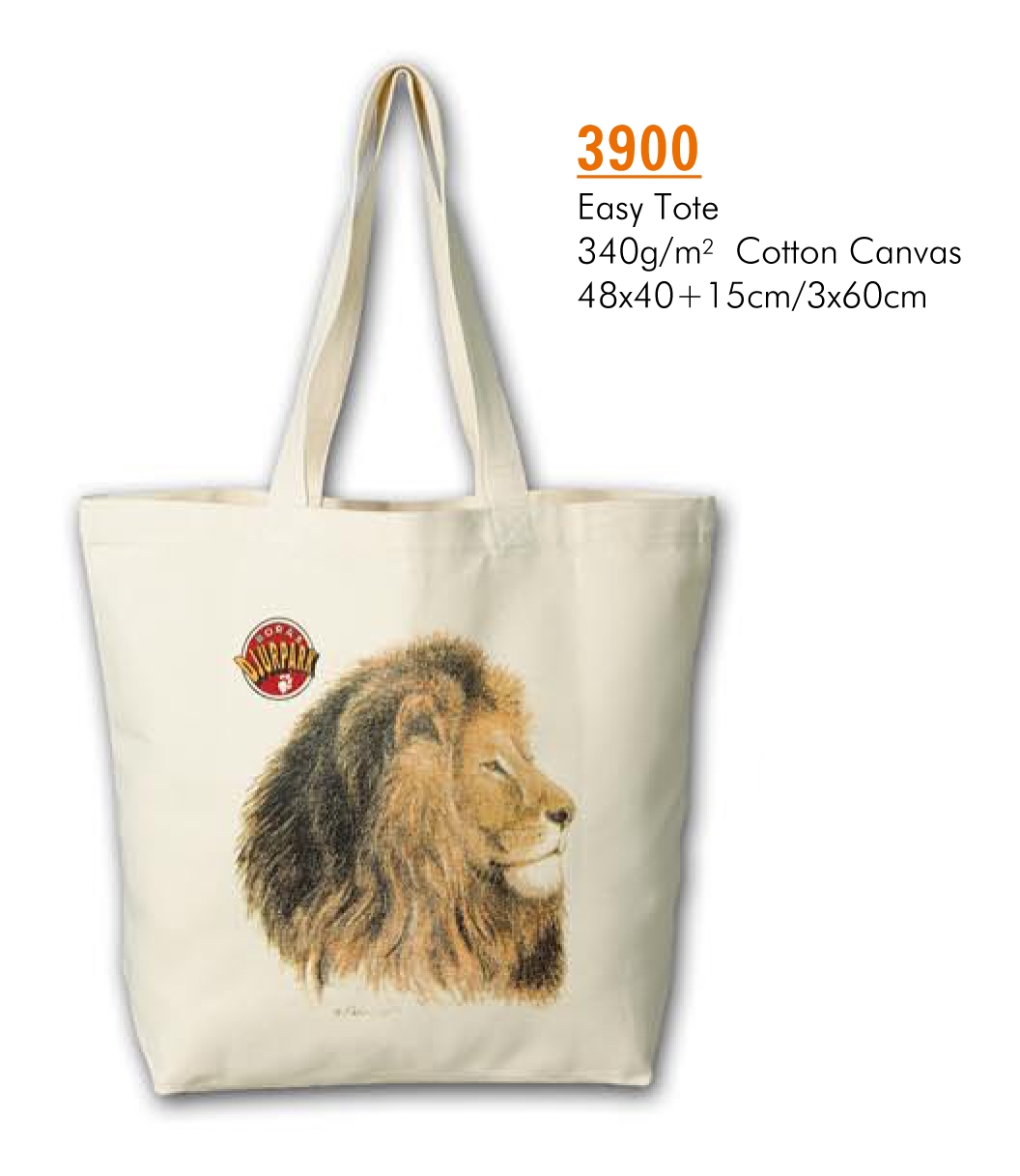
The Tote Bag model 3800 is documented for advertising premiums use and is available in recycled and organic cotton as well as 100% cotton. Image: YULITE.
Comparison: Weight Positions and Documented Model Specifications
The first table sets out what a buyer should expect from different positions inside the verified 100–450 gsm range of the 4636. It is a decision framework for specification, not a claim of measured test results.
| Position in the 100–450 gsm range | Hand feel and drape | Print behaviour | Best-fit campaign profile |
|---|---|---|---|
| Lower end (near 100 gsm) | Soft and light, folds compactly | Thin substrate; show-through and embroidery backing must be checked on sample | High-volume giveaways, single-event use, small logos |
| Middle of the range | Balanced body and foldability | Improved opacity for solid spot colour; supports all four documented logo methods | Retail and event programmes with expected repeated use |
| Upper end (near 450 gsm) | Heavy canvas feel, holds shape under load | Dense surface for opaque coverage and dense embroidery | Premium gifting, employee kits, long-life retail totes |
The second table compares documented specifications across YULITE cotton bag models. Where a weight is not stated in the product specification, it is marked as such rather than estimated.
| Product / model | Bag type | Documented GSM range | Documented material options | Documented logo methods |
|---|---|---|---|---|
| Promotional Shopping Bag, 4636 | Cotton canvas shopping bag | 100 gsm – 450 gsm | 100% cotton; organic cotton and recycled cotton versions | Silk printing, transfer printing, digital printing, embroidery |
| Drawstring Bag, 4211 | Drawstring gift bag; drawstring backpack bag | 100 gsm – 280 gsm | 100% cotton, recycled cotton, organic cotton, polyester, non-woven, nylon | Silk printing, transfer printing, digital printing, embroidery |
| Tote Bag, 3800 | Cotton tote bag; canvas tote bag | Not stated in the product specification | 100% cotton; recycled cotton and organic cotton options | Silk printing, transfer printing, digital printing, embroidery |
| Custom Logo Bag, PP246 | Logo printed bag; advertisement bag | Not stated in the product specification | 100% cotton; recycled cotton, organic cotton, non-woven, polyester, nylon, felt | Silk printing, transfer printing, digital printing, embroidery |
How to Verify GSM and Fabric Claims With a Promotional Bag Supplier
Because fabric weight is invisible in a product photo, verifying it is a paperwork and sampling exercise. The checks below apply to any promotional bag supplier, and they are the ones that separate a documented specification from a hopeful one.
- Require the weight band in writing on the specification sheet, not just the words cotton canvas.
- Ask which fibre is used, and whether a certificate supports the claim: GRS for recycled content, OEKO-TEX Standard 100 for textile safety, ISO9001 for process control, and BSCI or SEDEX audits for social compliance.
- Weigh the pre-production sample and compare the result with the declared grams per square metre.
- Confirm the print method on the actual weight, with the final artwork rather than a stand-in logo.
- Check the supplier's ability to repeat the specification at volume: Henan Yulitepromotion Co., Ltd., founded in 2008, operates a 15,000 square metre facility with approximately 200 staff and an annual production capacity of 20,000,000 pieces, while the workshop maintains a stable daily output of 30,000 to 50,000 pieces.
- Confirm sampling speed and engineering support: the R&D team consists of fewer than 10 engineers, and the factory keeps an independent sampling room with professional sample workers that delivers samples within 3 days.
FAQ: Fabric Weight and Supplier Selection
Which compliance requirements apply to a cotton promotional tote sold in the EU or the US?
Bags sold in the EU must comply with REACH Regulation Annex XVII, which restricts azocolourants in textiles to 30 mg/kg, and textile products containing at least 80% textile fibres fall under the labelling requirements of Regulation (EU) No 1007/2011. In the United States, California SB 1046 bans non-compostable single-use plastic carry-out bags from January 2025. YULITE holds ISO9001, OEKO-TEX Standard 100 and GRS certifications and has passed BSCI and SEDEX audits; buyers should request the certificate that matches the destination market and confirm that the fibre content declared on the label matches the material actually used.
How do I confirm that a promotional bag supplier can hold the GSM they quote?
Put the weight range in writing on the specification sheet and verify it on a pre-production sample instead of relying on a catalogue photo. The 4636 Promotional Shopping Bag is documented from 100 gsm to 450 gsm, and YULITE manufactures it in a 15,000 square metre facility with approximately 200 staff, professional cutting, stitching and printing equipment, and a stable daily output of 30,000 to 50,000 pieces against an annual capacity of 20,000,000 pieces. Those capabilities are what allow a quoted weight band to be repeated across a bulk order rather than only in a single sample.
Does a higher GSM always cost more?
Heavier fabric consumes more cotton per bag, so material consumption rises with weight. Total unit cost also depends on whether the fabric is natural or dyed, which print method is used, whether the fibre is 100% cotton, recycled cotton or organic cotton, the quantity ordered and any finishing. The practical approach is to define the lowest weight that still meets the bag's reuse expectation rather than defaulting to the heaviest option: a reusable tote generates more than 3,500 brand impressions on average over its lifetime, so durability that keeps the bag in circulation is where the value sits.
Can I compare two fabric weights before placing a bulk order?
Yes. YULITE operates an independent sampling room with professional sample workers and delivers samples within 3 days. Request the same artwork on two positions inside the 100 gsm to 450 gsm range of the 4636, then compare hand feel, print opacity and stitch behaviour side by side. Among the documented specifications, only the Knitted Bag model T25210 carries a stated minimum order quantity of 500 pcs; MOQ and production schedule for other models are confirmed per order.
How quickly can a promotional tote programme move from specification to production?
Sampling takes approximately 3 days. After sample approval, production is scheduled against a stable daily output of 30,000 to 50,000 pieces and an annual capacity of 20,000,000 pieces, with the exact delivery window confirmed on the order. To start, download the YULITE 2026 catalogue at https://cdn.socialarks.com/sbsp/24930/common/2026/0612/2026%20yulite%20spring.pdf, or send your GSM target, artwork and quantity to hukaiying@yulitepromotion.cn for a quotation and a sample.
Conclusion: Set the Weight Before You Set the Price
For a cotton promotional tote, fabric weight is the first decision and the price follows from it. The 4636 Promotional Shopping Bag is confirmed from 100 gsm to 450 gsm in 100% cotton, with organic cotton and recycled cotton versions available, and all four documented logo methods — silk printing, transfer printing, digital printing and embroidery — can be applied across that range with different visual results.
The working rule is straightforward: select the lightest band that still meets the reuse expectation of the campaign, match the fibre and print method to that band, verify the figure on a sample, and keep the approved sample as the reference for every reorder. Do not carry a weight from one bag format to another, because the 4636 is specified at 100–450 gsm while the 4211 drawstring is specified at 100–280 gsm — the range belongs to the bag, not to the material.
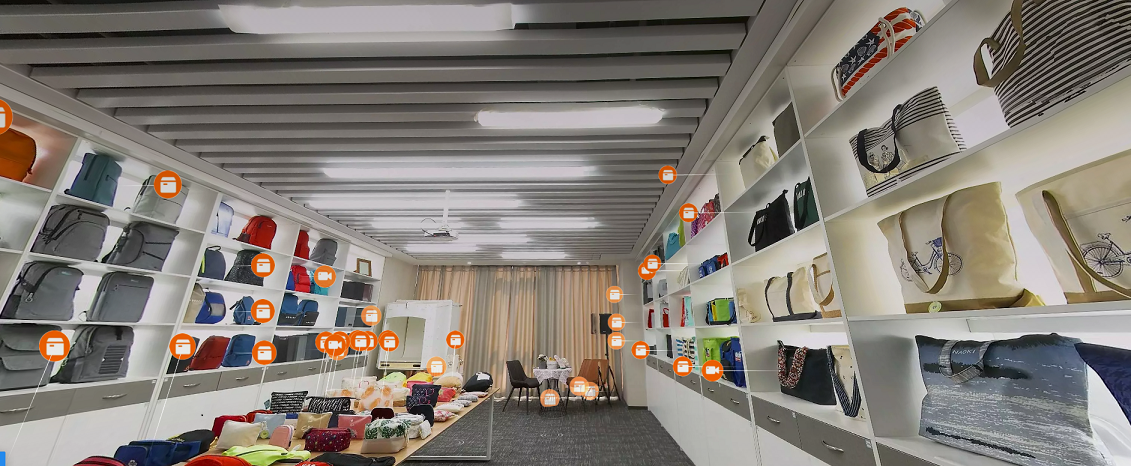
Request a GSM sample or a quotation
Send your target weight band, artwork and quantity to hukaiying@yulitepromotion.cn, or message +86 13703865302 on WhatsApp. Samples are delivered within 3 days.
Download the full range: 2026 YULITE spring catalogue (PDF)
Henan Yulitepromotion Co., Ltd. — 9F.KINEER CENTRE, NO.51 NONGYE ROAD SOUTH, ZHENGZHOU, 450008, CHINA. Tel: 0086-371-63944082. Website: www.yulitepromotion.cn
Have Questions or Need More Details?
Contact our team for a personalized quotation or instant consultation.
Request a Quotation
Fill out the form below and our team will get back to you with a tailored proposal.
WhatsApp Direct Chat
Prefer to chat in real-time? Message us on WhatsApp for instant assistance & quick answers.
- Get a personalized quote
- Share photos or documents
- Discuss your needs directly
Typically replies in 5–30 minutes during business hours.