What Is a Cooler Bag in the Promotional Line? Definition, Insulation & Use
Promotional Bag Category Explainer | Buyer Stage: Decision
A cooler bag in the promotional line is a reusable, insulated carry bag that a brand prints with its own logo and hands out as a working gift rather than a decorative one. Its job is narrower than that of a promotional tote bag or a promotional drawstring bag: the insulated wall slows heat exchange so food and drinks stay cold, or stay warm, through a commute, a picnic or a day outdoors.
This explainer uses a single reference item, YULITE cooler bag model 23250, to settle three questions that appear in almost every promotional bag brief: what the category actually is, how the insulation inside the bag works, and how one insulated model fits into a wider promotional bag programme that may also include tote bags, cosmetic pouches, backpacks and drawstring bags.
Problem Definition: Why the Term Cooler Bag Is Ambiguous
Three practical problems sit behind the confusion, and all three show up during the quotation stage rather than after delivery.
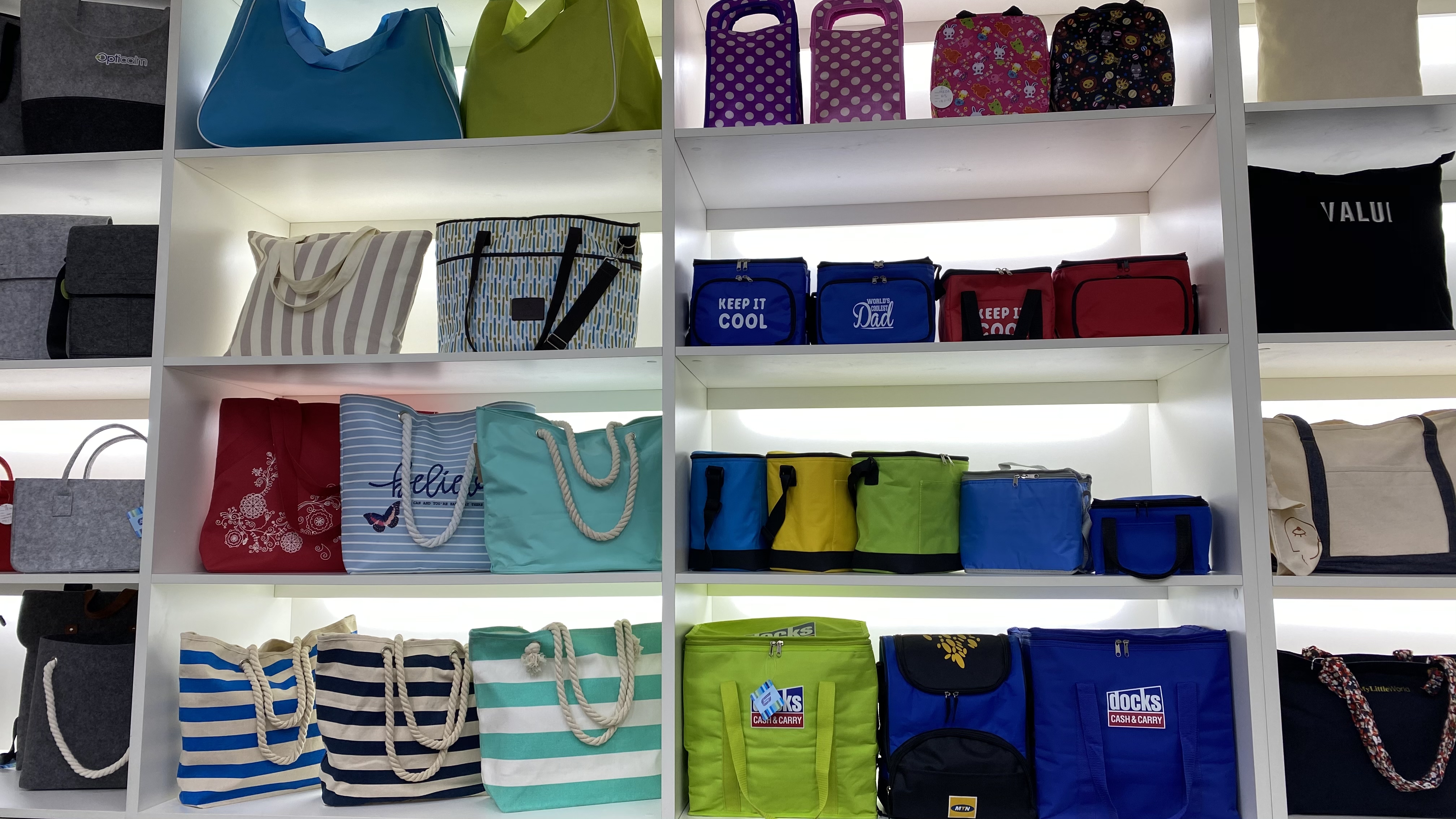
1. The vocabulary overlaps. The same layered construction is listed by different suppliers as a cooler bag, thermal bag, insulated bag, insulated tote, lunch cooler bag or picnic cooler bag. Two quotations using two different words may describe the identical build, or two products that behave very differently. Because the name is not standardised, a like-for-like comparison has to be made on construction, not on the label on the price sheet.
2. Size drifts under a single name. A lunch cooler bag sized for one person and a picnic cooler bag sized for shared food and drinks are both sold as cooler bags, yet they are bought by different teams for different moments. Comparing a compact lunch format against a family picnic format on unit price alone produces a decision that will not survive contact with the campaign.
3. Functional failure ends the giveaway. An insulated bag carries a promise the recipient tests on day one: does the food stay cold? If the insulation layer is too thin for the format, or the closure does not seal properly, the bag stops being used and the brand impression stops with it. In this category the insulation build is therefore the specification item that decides whether the programme works, and the print comes second.
For those reasons, a promotional cooler bag enquiry should end with three answers written down: which format, which insulation build, which print.
Industry Background: Where Insulated Bags Sit in the Promotional Market
Cooler bags are not bought as an isolated product. They are ordered inside the same campaign budget as the rest of the promotional bag range, and that range is large and still growing. The global promotional products market, which includes branded bags of all types, is valued at USD 84.4 billion in 2025 with a 3.8% CAGR (Metastat Insights). The tote bag segment alone was valued at USD 17.1 billion in 2023 and is projected to reach USD 29.8 billion by 2032 (Acumen Research and Consulting).
Several signals explain why an insulated option has become a normal line item rather than a niche one:
- Corporate adoption of custom-branded reusable bags surged by 32% year over year in 2024 (Intel Market Research).
- A single reusable tote bag generates over 3,500 brand impressions on average during its lifetime (BagzDepot / Advertising Specialty Institute).
- Seasonal promotional campaigns accounted for 39% of total reusable shopping bag demand in 2025 (Business Research Insights).
- Approximately 73% of Millennials and Gen Z consumers prefer to buy from sustainable brands using eco-friendly promotional items (Nielsen / BagzDepot).
- Asia Pacific dominated the bag market with a 44.8% revenue share in 2024, with China as a primary manufacturing hub (Grand View Research).
- Tote bags ranked as the 5th most-searched category on the ESP platform in 2024 (Advertising Specialty Institute / ASI).
Regulation is moving in the same direction. Bags sold in the EU must comply with REACH Regulation Annex XVII, which restricts azocolourants in textiles to 30 mg/kg, and California SB 1046 bans non-compostable single-use plastic carry-out bags from January 2025. Material sourcing is shifting too: the recycled PET market is estimated at USD 19.5 billion in 2025, which supports growth in promotional RPET bags and other recycled formats.
The practical consequence for a marketing or procurement team is timing rather than theory. An insulated cooler bag competes for the same seasonal window as every other promotional bag in the plan, so the specification question has to be answered before the production slot closes, not after.
Detailed Solution: Inside a Promotional Cooler Bag
The layers that do the work
A cooler bag does not create cold. It slows heat transfer, which is why the useful life of the cold depends on how the bag is built rather than on how it is branded.
- Outer shell. Polyester, nylon, canvas, cotton, RPET or non-woven fabric forms the body and carries the printed logo. Shell choice decides how the bag feels in the hand and how well it resists daily wear.
- Insulation layer. A foam sheet sits between the shell and the lining. Compact lunch formats generally use a thinner foam layer, while larger picnic formats carry a thicker one, because the volume of food and air that has to be held at temperature is greater. The exact thickness is a model-level value and belongs on the specification sheet.
- Inner lining. A reflective foil facing, commonly an aluminium foil surface, bounces radiant heat back into the cavity and also makes the interior easy to wipe clean after a spill.
- Closure and seams. A zip or fold-over top reduces air exchange at the mouth of the bag, which is often where a cheap cooler bag loses most of its performance.
Five variables therefore decide real-world performance: insulation thickness, lining reflectivity, closure sealing, how full the bag is packed, and ambient temperature over time. A buyer who specifies only dimensions and print colours has not specified the product.
The reference model: YULITE cooler bag 23250
Model 23250 is the reference item used in this explainer because it is the model the YULITE team quotes when a buyer asks for a cooler bag in the promotional line. It represents the category rather than a single fixed configuration: dimensions, insulation layer, lining, closure type and print area are confirmed per model on the specification sheet, because a lunch format and a picnic format do not share the same build even when they share a category name.
That is also the practical rule for any comparison. When two suppliers quote a cooler bag, ask each of them to state the same five values on paper, then compare.
What YULITE supplies into a promotional bag programme
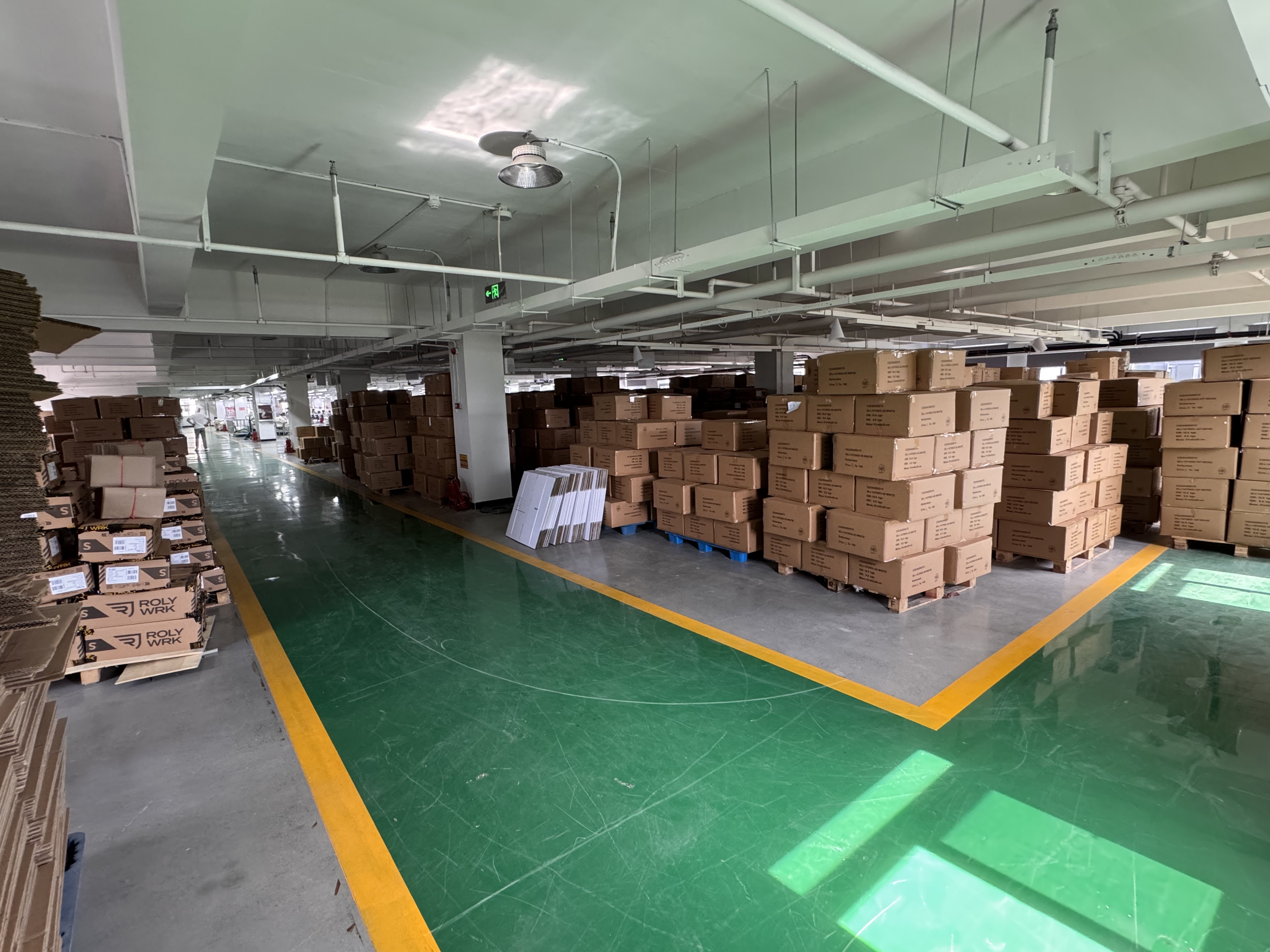
Henan Yulitepromotion Co., Ltd. (YULITE) is a promotional bag manufacturer and exporter founded in 2008. The company operates a 15,000 m2 factory with an annual output of 20,000,000 pieces and a 100% export focus on the EU, USA, Japan and Australia.
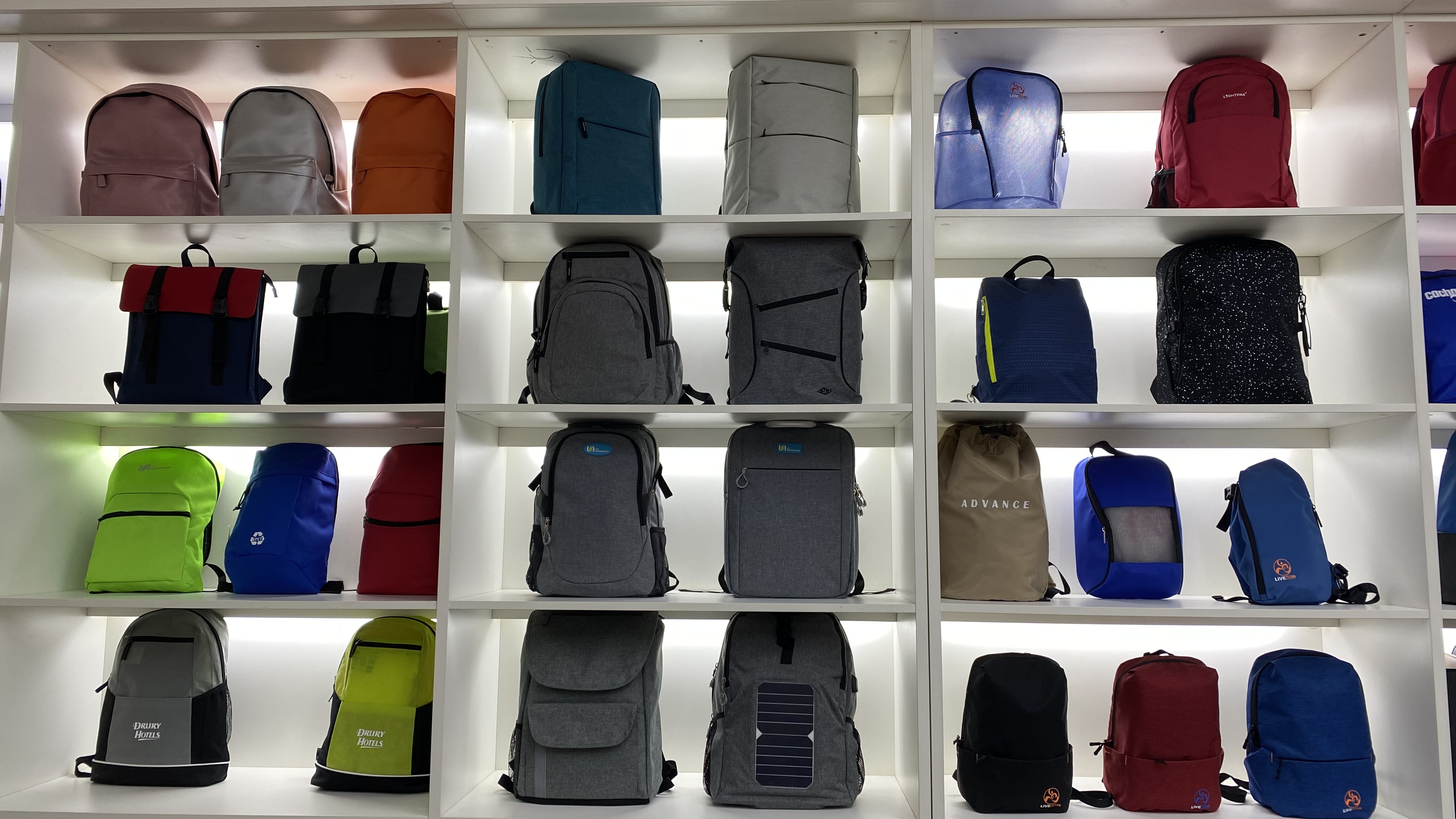
The product range covers cotton and canvas bags, tote bags, drawstring bags, foldable bags, cosmetic pouches, backpacks, cooler bags, polyester and nylon bags, RPET and recycled cotton bags, RPET felt bags and non-woven bags. In practice a single campaign can pull several of these together: a promotional tote bag for the main audience, a promotional drawstring bag for gym traffic, a promotional cosmetic bag as a premium tier, a promotional foldable bag for travel and a promotional cooler bag for everything food-related.
Production and quality facts that matter at the quotation stage:
- Certifications: ISO9001, OEKO-TEX Standard 100 and GRS, plus BSCI and SEDEX factory audits.
- Logo methods: heat transfer printing, screen printing, digital printing and embroidery.
- Sampling: an independent sampling room with dedicated sample workers, typically delivering samples within 3 days.
- Capacity: a stable daily output of 30,000 to 50,000 pieces across the workshop.
- Compliance testing: every lot of fabric is lab tested before mass production, so restricted-substance risk is caught before the order is cut.
- Delivery protection: an order planning system that reserves production time per order, on-site power generation equipment to avoid power-related stoppages, and sub-factory capacity that can run in parallel.
Step-by-Step Breakdown: Specifying a Cooler Bag for a Campaign
The sequence below is the order in which the decisions actually lock, because each step removes options from the next one.
- Fix the use case before the shape. A lunch cooler bag for commuting employees, a picnic cooler bag for a summer consumer campaign and an insulated tote for grocery loyalty are three different briefs. Writing the use case first prevents a format that looks right in a catalogue but is the wrong size in the field.
- Set format and capacity from the contents. Work from what goes inside: a single meal, a set of drink cans, or shared food for several people. Capacity drives the outer silhouette and, indirectly, the amount of insulation the bag needs.
- Define the insulation build on the specification sheet. Confirm the foam layer, the reflective lining and the closure type per model. This is the step that most often gets skipped, and it is the step that decides whether the bag is used twice or reused for years.
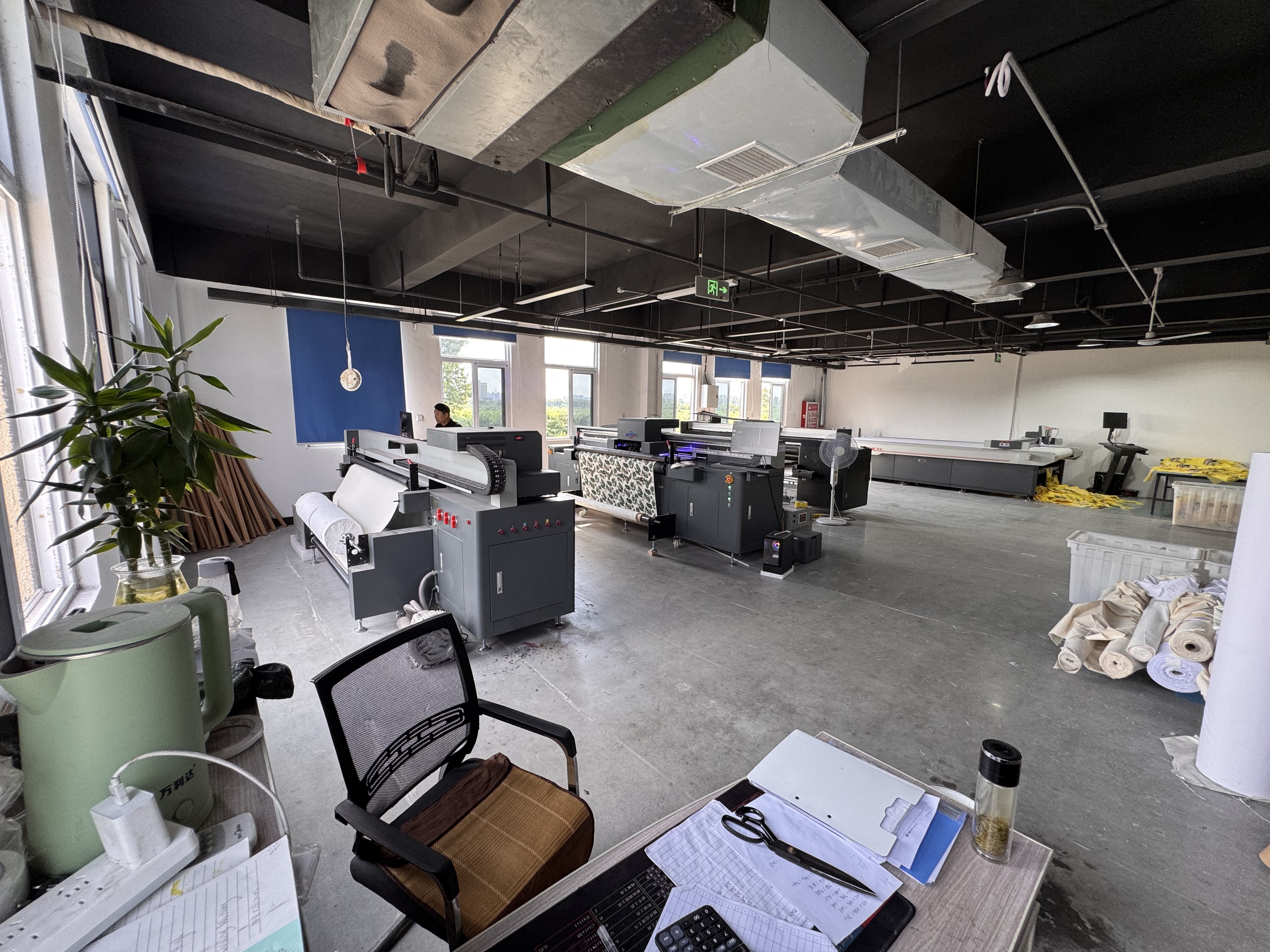
- Choose the shell material and print method. Fabric choice (polyester, nylon, canvas, cotton, RPET, non-woven) affects feel, durability and price. YULITE runs heat transfer printing, screen printing, digital printing and embroidery in-house, which matters when a single campaign carries several bag types that must look like one family.
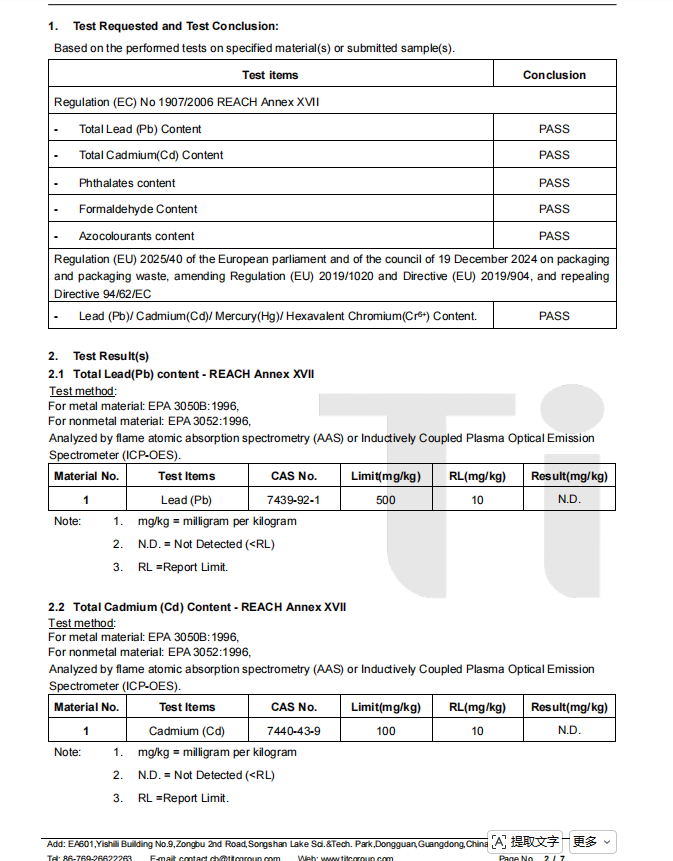
- Verify compliance and testing before production. In the EU, REACH Annex XVII limits azocolourants in textiles to 30 mg/kg, and textile products containing at least 80% textile fibres fall under Regulation (EU) No 1007/2011 for labelling. Confirm the certificate set and the lot-testing routine with the supplier before the deposit, not after the goods ship.
- Validate the sample, then scale. Approve insulation feel, closure behaviour and print position on a physical sample, then confirm the production window. YULITE typically delivers samples within 3 days and runs a stable daily output of 30,000 to 50,000 pieces, with reserved production time, on-site power generation and sub-factory support protecting the delivery date.
Use Cases: Where a Promotional Cooler Bag Earns Its Place
Insulated bags are chosen when the gift has to be used regularly to justify its unit cost. Five settings account for most orders.
- Employee and office gifting. A compact lunch cooler bag is carried five days a week, which turns a single giveaway into daily brand exposure. This is the format that benefits most from a smaller, well-finished build rather than a large one.
- Summer and outdoor campaigns. Seasonal promotional campaigns represent 39% of reusable shopping bag demand in 2025 (Business Research Insights), and summer programmes are where picnic cooler bags concentrate. Timelines matter here: the production window is short and every brand wants the same slot.
- Trade shows and client gifting. An insulated bag reads as a higher-value item than a flat tote, so it is often used as the premium tier in a mixed giveaway, paired with a promotional cosmetic bag or a promotional travel bag.
- Sports, gym and active use. Gym traffic carries bottles and snacks, which is why a promotional gym bag or a cooler format often sits in the same programme. The insulation requirement is short-duration here rather than all-day.
- Retail and grocery loyalty. Insulated totes fit cold-chain shopping trips, and reusable formats are supported by tightening single-use plastic rules, including California SB 1046 from January 2025, which bans non-compostable single-use plastic carry-out bags.
In every one of these cases the cooler bag is not competing against nothing. It is competing against a larger quantity of promotional shopping bags for the same budget, which is exactly the trade-off the next section addresses.
Comparison: Terminology and Value Benchmarks
The first table clarifies vocabulary, because the words are the reason two quotations are hard to compare. The second table uses YULITE comparison data on reusable bag durability and cost so that unit price can be converted into a decision.
Table 1: Cooler bag terminology in a promotional catalogue
| Term used in a catalogue | What it describes | Usual programme use |
|---|---|---|
| Cooler bag | Insulated, closeable reusable bag built to slow heat exchange | Retail loyalty, employee gifting, outdoor campaigns |
| Thermal bag | Same insulated function, different supplier vocabulary | Same brief as a cooler bag |
| Lunch cooler bag | Compact single-meal format | Office gifting, commuting, back-to-school |
| Picnic cooler bag | Larger format for shared food and drinks | Summer campaigns, event giveaways |
| Insulated tote | Tote silhouette with an insulated compartment | Grocery programmes, gift-with-purchase |
Table 2: Reusable bag value benchmarks from YULITE comparison data
| Comparison | Reuse | Storage life | Initial cost | Load capacity |
|---|---|---|---|---|
| Cotton vs paper bag | Over 50 uses vs 1 to 2 uses | Up to 10 years without damage vs paper becomes fragile | Cotton is approximately 3 times paper | Cotton holds 2.5 times more weight than a standard paper bag |
| Cotton vs non-woven bag | Up to 50 uses vs fewer than 10 uses | More than 10 years without ageing vs non-woven degrades | Cotton is approximately 2 times non-woven | Cotton carries a higher load capacity |
| Cotton vs plastic bag | Roughly 100 uses vs one single use | Long-term stocking vs 200 to 1,000 years to degrade | Cotton is approximately 10 times plastic | 10 kg vs 3 kg |
Figures as stated in YULITE reusable bag comparison data.
Two conclusions follow. First, the higher-priced reusable format is the cheaper one per use as soon as reuse frequency is realistic, which is why cost per use rather than unit price is the correct comparison for a promotional bag programme. Second, an insulated cooler bag carries one extra requirement on top of the reusable formats above, namely the insulation layer itself. The reuse frequency in the field therefore decides the value of the whole item: a cooler bag with an insulation build that matches its format is used again and again, while one that does not is discarded quickly and costs more per impression than the cheaper bag it replaced.
FAQ: Promotional Cooler Bags and Bulk Sourcing
1. What must a buyer verify on a promotional cooler bag before ordering bulk quantities?
Two levels of checks matter. At product level, bags sold in the EU fall under REACH Regulation Annex XVII, which restricts azocolourants in textiles to 30 mg/kg, and textile products containing at least 80% textile fibres must follow Regulation (EU) No 1007/2011 for labelling. At factory level, YULITE holds ISO9001, OEKO-TEX Standard 100 and GRS certifications, passes BSCI and SEDEX audits, and lab tests every lot of fabric before mass production so that restricted-substance risk is identified before the order is cut.
2. Is a thermal bag the same thing as a cooler bag or a lunch cooler bag?
In the promotional line, thermal bag, insulated bag and cooler bag usually describe the same functional build: an outer shell, an insulation layer and a reflective inner lining, closed with a zip or fold-over top. The difference between the names is format and vocabulary rather than function. A lunch cooler bag is the compact single-meal version, a picnic cooler bag is the larger shared-food version, and an insulated tote applies the same layers to a tote silhouette. Because the labels are not standardised across suppliers, construction rather than name is what should be compared.
3. How should a cooler bag be compared with other promotional bag types on cost?
Compare on cost per use, not unit price. YULITE reusable bag comparison data shows how wide that gap can be: a cotton bag costs about three times a paper bag but is reused over 50 times against 1 to 2 uses for paper; about twice a non-woven bag against fewer than 10 non-woven reuses; and roughly ten times a plastic bag, while carrying 10 kg against 3 kg and lasting around 100 uses instead of one. An insulated cooler bag adds one further requirement, the insulation layer, so its reuse frequency in the field is what decides whether a higher unit price turns into a lower cost per brand impression.
4. How fast can samples and bulk production be arranged for a cooler bag programme?
YULITE operates an independent sampling room with dedicated sample workers and typically delivers samples within 3 days, which allows insulation feel, closure behaviour and print position to be checked before commitment. For bulk, the workshop maintains a stable daily output of 30,000 to 50,000 pieces, and delivery is protected by an order planning system that reserves production time for each order, on-site power generation equipment that prevents power-related stoppages, and sub-factory capacity that can run in parallel on the same order.
5. China promotional bag manufacturers versus local suppliers for bulk orders: how should a buyer decide?
The decision usually comes down to four variables: order volume, the number of customisation steps, compliance documentation and lead time. A China-based promotional bag manufacturer such as YULITE, founded in 2008 and operating a 15,000 m2 factory with an annual output of 20,000,000 pieces and a 100% export focus on the EU, USA, Japan and Australia, typically fits programmes that need several bag types, in-house printing methods and certification documentation in one purchase order. Local suppliers can shorten the physical distance and simplify small, fast, low-customisation orders. For a cooler bag programme that combines an insulation specification with printed branding, the practical next step is to compare samples from each route rather than quotations on paper.
Conclusion: Insulation First, Branding Second
A cooler bag in the promotional line is defined by three properties: it is reusable, it is insulated, and it carries a brand. The words around it, thermal bag, lunch cooler bag and picnic cooler bag, describe the same layered construction at different formats, and those layers are what decide whether the gift is kept or discarded. Model 23250 is the reference item YULITE uses to represent this category, and its specification sheet is where the insulation thickness, lining, dimensions and print area are confirmed.
When the comparison finally lands on cost per use rather than unit price, an insulated bag competes with the rest of the range on the same terms as a promotional tote bag, a promotional non woven bag or a promotional RPET bag, with one extra function attached to it. That function is the reason the category exists, and it is also the reason the specification conversation should happen before the print conversation.
Next step: test the build before you commit to a quantity
YULITE keeps an independent sampling room and typically delivers samples within 3 days, so a team can test insulation feel, closure sealing and print position on a real cooler bag before a bulk promotional bag order is placed.
Download the 2026 YULITE spring catalogue (PDF): 2026 YULITE catalogue
Contact: Hu Kaiying | Email: hukaiying@yulitepromotion.cn | Tel: 0086-371-63944082 | WhatsApp: 0086-13703865302
Website: www.yulitepromotion.cn
Address: 9F. Kineer Centre, No.51 Nongye Road South, Zhengzhou, 450008, China.
Have Questions or Need More Details?
Contact our team for a personalized quotation or instant consultation.
Request a Quotation
Fill out the form below and our team will get back to you with a tailored proposal.
WhatsApp Direct Chat
Prefer to chat in real-time? Message us on WhatsApp for instant assistance & quick answers.
- Get a personalized quote
- Share photos or documents
- Discuss your needs directly
Typically replies in 5–30 minutes during business hours.