Knitted Bag vs Gym Bag vs Cooler Bag: Which Promotional Bag Fits?
Knitted Bag vs Gym Bag vs Cooler Bag: Which Promotional Bag Fits?
Promotional bag programs rarely fail at the printing stage. They usually fail earlier, at the moment the bag is selected for the campaign brief instead of for the person who has to carry it afterwards.
Three YULITE models come up in the same conversation often enough to deserve a straight answer: the polyester knitted bag (model T25210), the waterproof gym bag (model 4530), and the insulated COOLR BAG (model 23250). They are not three versions of one decision. In the knitted bag the logo is woven into the material itself; the gym bag is built to survive movement and water; the COOLR BAG is built to hold temperature.
Short answer: choose the knitted bag (T25210) when the goal is broad brand visibility in retail and giveaway programs — the logo is woven into the bag with a maximum of 6 yarn colors, MOQ 500 pcs, and its published application area is all industries for promotion. Choose the gym bag (4530) when the program is sports-led and the bag must be waterproof — available in cotton, polyester or nylon, in small, medium and large. Choose the COOLR BAG (23250) when contents must stay cool or warm — polyester plus 2mm foam plus aluminum, zipper closure, shoulder strap.
This guide sets out the material logic behind the three models, a step-by-step selection sequence, scenario mapping, a side-by-side comparison table, and the compliance, sampling and delivery questions that decide whether the program can be repeated next season. It is published by YULITE (Henan Yulitepromotion Co., Ltd.), a promotional bag manufacturer founded in 2008 that exports 100% of its output, with main markets including the EU, the USA, Japan and Australia.
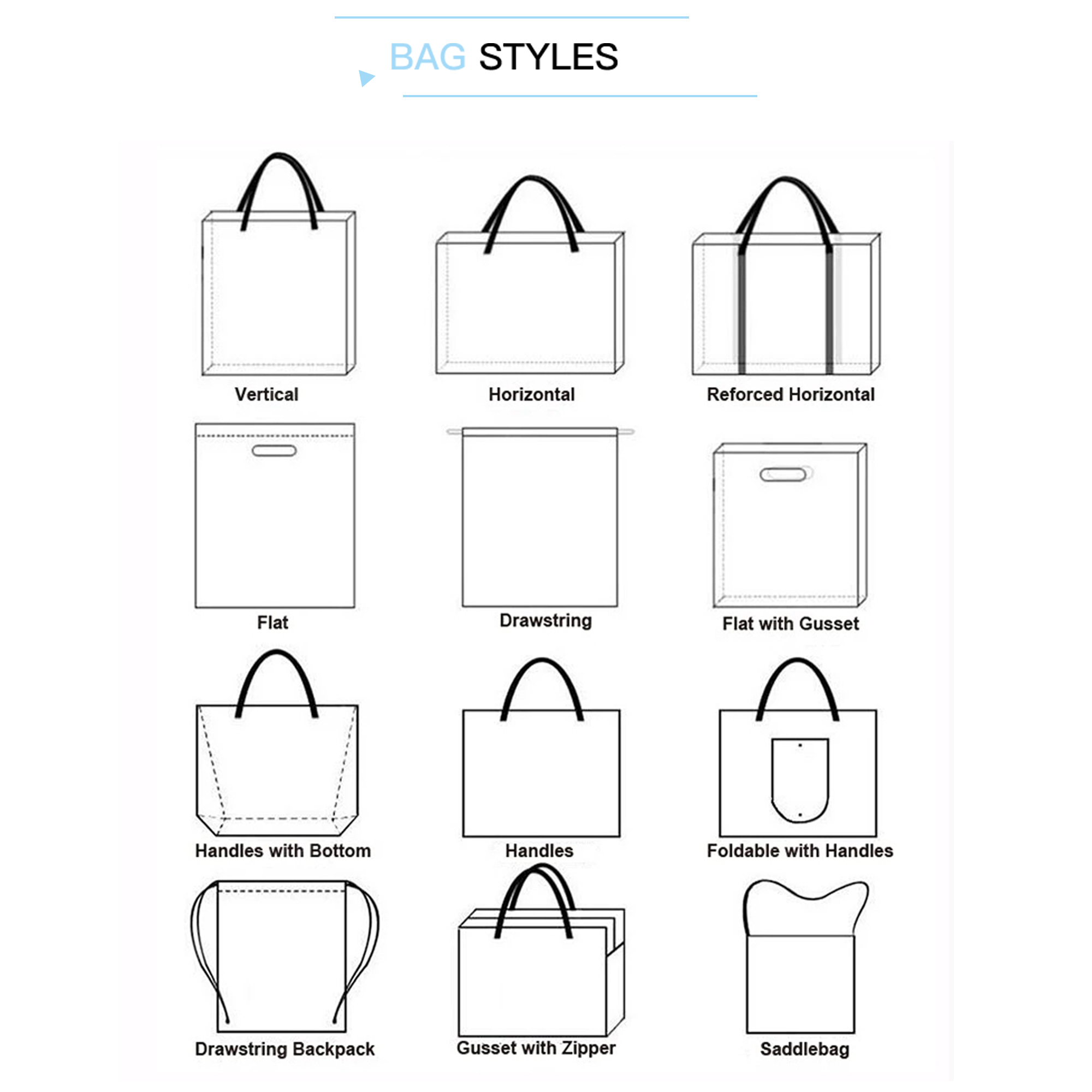
Promotional bag formats at a glance: knitted, gym and cooler constructions serve three different jobs inside the same campaign calendar. Image: YULITE.
Problem Definition: Why "Which Bag Is Cheaper?" Is the Wrong First Question
The three bags are usually compared on unit cost first. That order of questions produces rework, because the three models diverge at the material and construction level long before price becomes a meaningful comparison. A cheaper bag that carries the wrong logo format, or cannot be used in the environment it was bought for, has no promotional value at all.
Three specific mismatches drive most of the disappointment:
- Surface mismatch. The knitted bag (T25210) is made from polyester yarn and its logo is woven into the bag, with a maximum of 6 yarn colors. A buyer who expects a flat print panel will not get the same artwork result as on a printed textile surface, and a detailed photographic logo will not translate the same way.
- Environment mismatch. The gym bag (4530) is published as a waterproof gym bag and gym duffel bag, and can be produced in cotton, polyester or nylon. The knitted bag's published specification does not include a waterproof claim. When a brief involves rain, locker rooms or outdoor events, that difference in specification decides the purchase.
- Temperature mismatch. Neither the knitted bag nor the gym bag is specified as insulated. The COOLR BAG (23250) is built on polyester plus 2mm foam plus aluminum, with a zipper closure and a shoulder strap, which is why its published application area is food and supermarket rather than general promotion.
The second cause of wasted spend is a bag that is never used again. According to BagzDepot, citing Advertising Specialty Institute data, a single reusable tote bag generates over 3,500 brand impressions on average during its lifetime. Intel Market Research reports that the average urban consumer in mature markets already owns 4–6 tote bags. A program that adds one more undifferentiated bag to that drawer earns nothing; a bag that fits a specific routine gets carried.
The third cause is single-order thinking. Promotional bag programs rarely end after one shipment. They continue through seasonal campaigns, distributor reorders and loyalty cycles, which is where material consistency, logo reproduction and delivery reliability matter more than the price of the first batch.
Decision rule: match the bag to the moment of use first, match the material to the environment second, match the logo method to the material third — and only then compare economics across a full program cycle rather than a single purchase order.
Industry Background: Where Promotional Bag Demand Is Coming From
The promotional bag category is not a niche any more. According to Metastat Insights, the global promotional products market, which includes bags, is valued at USD 84.4 billion in 2025 with a 3.8% CAGR. Acumen Research and Consulting valued the global tote bags market at USD 17.1 billion in 2023 and projects it to reach USD 29.8 billion by 2032.
Corporate behavior is moving in the same direction. Intel Market Research reports that corporate adoption of custom-branded tote bags rose 32% year-over-year in 2024, and that tote bags ranked as the 5th most-searched category on the Advertising Specialty Institute (ASI) ESP platform in 2024. Grand View Research puts Asia Pacific at 44.8% revenue share of the bag market in 2024, with China as a primary manufacturing and consumption hub.
Sustainability pressure explains part of the shift. Custom Market Insights estimates the recycled PET (rPET) market at USD 19.5 billion in 2025, which underpins the growth of recycled promotional bag lines. Nielsen data cited by BagzDepot indicates that approximately 73% of Millennials and Gen Z consumers prefer to buy from sustainable brands using eco-friendly promotional items.
Two regulatory realities also shape buying decisions today:
- Bags sold in the EU must comply with REACH Regulation Annex XVII, which restricts azo colourants to 30 mg/kg in textiles.
- Textile products sold in the EU containing at least 80% textile fibers must comply with Regulation (EU) No 1007/2011 for labeling.
In the United States, California SB 1046 bans non-compostable single-use plastic carry-out bags starting January 2025, pushing demand toward reusable substitutes. Business Research Insights also notes that seasonal promotional campaigns account for 39% of the total demand for reusable shopping bags in 2025 — a signal that buyers are planning bags as a recurring program line, not a one-off purchase.
Taken together, these numbers describe a mature category where the bag itself is no longer the differentiator. Functional fit is. That is exactly why a knitted bag, a gym bag and a cooler bag should be evaluated as three separate tools inside one program rather than as three interchangeable options.
Detailed Solution: What Each of the Three Models Is Built For
Knitted bag, model T25210 — when the logo should be part of the material
The T25210 is a polyester knitted bag available in several formats: knitted tote bag, knitted hand bag, knitted shoulder bag, knitted cosmetic bag and knitted tissue bag. Its defining feature is the logo method. Instead of being printed on top of the fabric, the logo can be woven into the bag using a maximum of 6 yarn colors, which makes brand identity part of the structure rather than a layer that can fade, crack or peel.
The published minimum order quantity for this model is 500 pcs, and its stated application area is all industries for promotion. In practice that makes it the default option for retail giveaways, trade show handouts, corporate gifting and any program where the bag needs to be recognizable from a distance without a large printed surface.
Gym bag, model 4530 — when the bag has to survive movement and water
The 4530 is published as a waterproof gym bag and gym duffel bag, produced in cotton, polyester or nylon, in small, medium and large sizes. Logo decoration follows YULITE's standard methods: silk printing, transfer printing, digital printing and embroidery. Its stated industry application is sports.
The material choice inside this model is the real decision point. Cotton gives a natural handle and a textile feel; polyester and nylon support the waterproof positioning that the model is specified for. For gym memberships, sports clubs, race kits and team programs, the bag is judged by whether it is still in use after the event, not by how it looked on the render.
COOLR BAG, model 23250 — when contents need a temperature buffer
The 23250 is an insulated construction: polyester plus 2mm foam plus aluminum, with a zipper closure and a shoulder strap for carrying. Its published formats cover picnic cooler bag, thermal bag, insulated cooler bag, 6 can cooler bag and lunch cooler bag, and its stated application areas are food and supermarket. Listed materials across the cooler range include polyester, non-woven and felt.
This is the only one of the three models where the bag's value is tied to a physical function rather than to branding alone. That changes the evaluation criteria: thermal structure, closure type and carrying method come before print coverage.
The manufacturing base shared by all three models
All three products run through the same production system at YULITE. Multiple logo printing methods are available — heat transfer printing, screen printing, digital printing and embroidery — supported by an in-house digital printing machine. The factory operates an independent sampling room with professional sample workers, and reported monthly production capacity is 200,000 pieces.
Commercial terms are consistent across the range: minimum order quantity 500 pcs, DDP delivery available, pre-shipment testing and third-party inspection accepted, and payment through T/T, D/P, Alibaba Trade Assurance or credit card. Products are exported to over 86 countries and regions, and the company has passed BSCI and SEDEX audits while holding ISO9001, OEKO-TEX Standard 100 and GRS certifications.
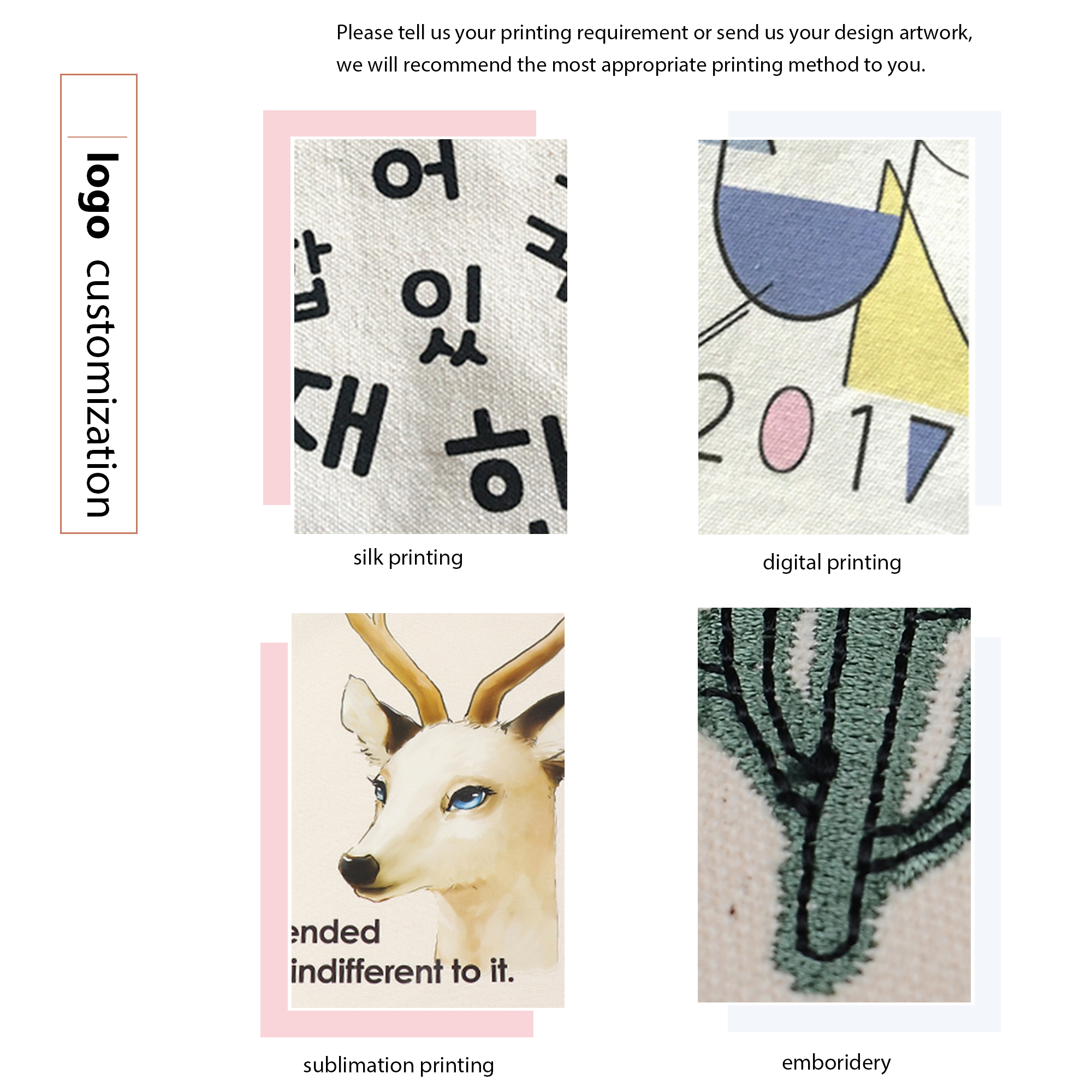
Logo decoration options for promotional bags include screen/silk printing, transfer printing, digital printing and embroidery — the knitted bag instead carries a woven-in logo. Image: YULITE.
Step-by-Step Breakdown: From Brief to Repeat Order
The sequence below is the order in which the three models stop competing with each other. Each step eliminates options instead of adding them.
- Fix the moment of use. Write down where the bag will be carried: a shopping trip, a gym session, or a lunch and picnic routine. The knitted bag serves the first, the gym bag the second, the COOLR BAG the third.
- Match the material to the environment. Polyester knit for the knitted bag; cotton, polyester or nylon with a waterproof designation for the gym bag; polyester with 2mm foam and aluminum for the cooler bag. If the brief mentions water exposure, only the gym bag carries that published specification.
- Choose a logo method the material can accept. The knitted bag takes a woven logo of up to 6 yarn colors. The gym bag takes silk printing, transfer printing, digital printing or embroidery. For the COOLR BAG, logo application is handled through YULITE's standard logo methods and should be confirmed against the final artwork during sampling.
- Lock size and format. The gym bag offers small, medium and large. The cooler range covers 6 can, lunch, picnic, thermal and insulated cooler formats. The knitted range covers tote, hand, shoulder, cosmetic and tissue formats. Size dimensions for the knitted bag and the COOLR BAG are not fixed in the published product specification and are agreed per project.
- Check compliance for the destination market. For EU programs, REACH Annex XVII limits azo colourants to 30 mg/kg in textiles, and Regulation (EU) No 1007/2011 governs labeling for textile products containing at least 80% textile fibers. YULITE performs a lab test on each lot of fabric before mass production, and holds ISO9001, OEKO-TEX Standard 100 and GRS certifications alongside BSCI and SEDEX audit records.
- Validate with a physical sample. Samples are produced in an independent sampling room and can be delivered within 3 days. Use the sample to check yarn colors in the knitted logo, the waterproof material and sizing of the gym bag, and the foam and aluminum layers and zipper action of the cooler bag.
- Plan the repeat cycle before placing the first order. Confirm the 500 pcs minimum order quantity, agree DDP terms if required, and set the reorder window against the reported monthly capacity of 200,000 pieces. YULITE's delivery protection combines a strict order planning system, reserved production time per order, own power generation equipment to avoid production stoppages, and sub-factories used to complete orders in parallel.
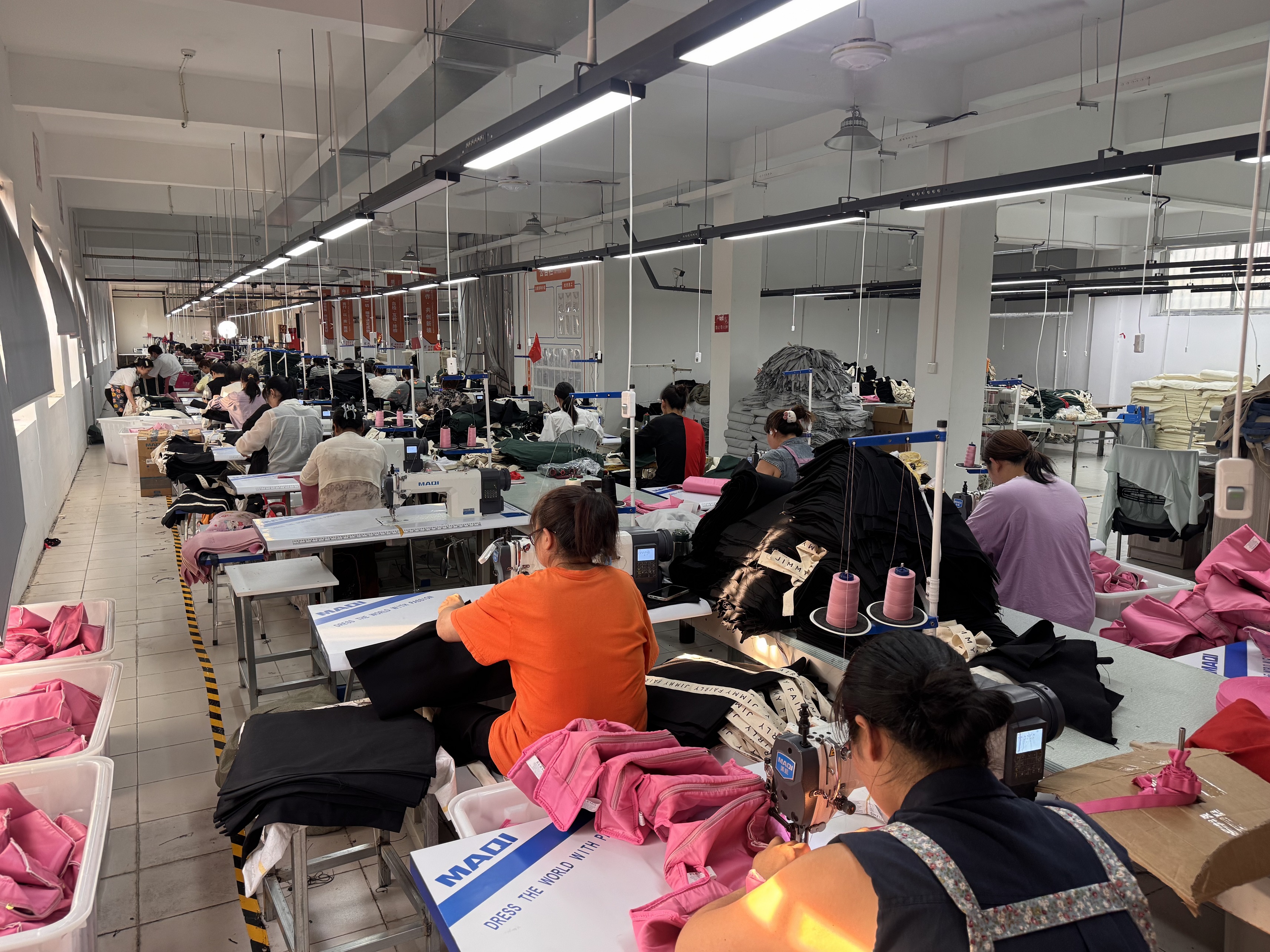
Backup sub-factory capacity forms part of YULITE's delivery planning for repeat promotional bag orders. Image: YULITE.
Use Cases: Matching Each Bag to a Promotional Goal
1. Retail, trade show and general brand giveaways → knitted bag (T25210)
When a program has to work across unrelated audiences, the knitted bag is the most flexible of the three. Its stated application area is all industries for promotion, it can be produced in tote, hand, shoulder, cosmetic or tissue formats, and the woven logo keeps branding visible without a large printed panel. With a 500 pcs MOQ, it fits both pilot programs and repeat retail restocking.
2. Sports clubs, gyms, races and team programs → gym bag (4530)
The gym bag's published application area is sports, and its waterproof specification addresses the actual conditions of that environment. Choosing between cotton, polyester and nylon determines the hand feel and the water resistance, while small, medium and large sizes let one program serve members, staff and event participants without redesigning the bag.
3. Supermarket, food retail, picnic and lunch promotions → COOLR BAG (23250)
Where the recipient has a recurring temperature-related routine, the cooler bag outperforms a general tote. The 23250 combines polyester, 2mm foam and aluminum with a zipper closure and shoulder strap, and its published formats — 6 can, lunch, picnic, thermal and insulated cooler — map directly onto supermarket loyalty promotions and food-brand campaigns.
4. Distributor and loyalty programs → all three models, sequenced
For distributors and agencies running several client accounts, the three models are complements rather than alternatives. Business Research Insights reports that seasonal promotional campaigns account for 39% of reusable shopping bag demand in 2025, which means a channel partner needs a different bag for a summer food promotion, an autumn sports event and a year-round retail giveaway. Building a single supplier relationship across all three formats also stabilizes specifications, logo reproduction and delivery planning across years — the practical reason long-term sourcing beats re-tendering every season.
Comparison Table: Knitted Bag vs Gym Bag vs COOLR BAG
| Decision factor | Knitted bag (T25210) | Gym bag (4530) | COOLR BAG (23250) |
|---|---|---|---|
| Primary material | Polyester (knitted yarn) | Cotton, polyester or nylon | Polyester + 2mm foam + aluminum |
| Defining function | Logo woven into the bag | Waterproof, movement-ready | Insulated, holds temperature |
| Product formats | Tote, hand, shoulder, cosmetic, tissue bag | Waterproof gym bag / gym duffel bag | Picnic cooler, thermal, insulated cooler, 6 can cooler, lunch cooler bag |
| Size options | Not fixed in the published product spec; agreed per project | Small, Medium, Large | Not fixed in the published product spec; agreed per project |
| Logo / decoration | Woven into the bag, max. 6 yarn colors | Silk printing, transfer printing, digital printing, embroidery | YULITE standard logo methods (screen/silk, transfer, digital printing, embroidery) |
| Extra construction | — | Waterproof material option | Zipper closure, shoulder strap |
| Published application area | All industries for promotion | Sports | Food, supermarket |
| Promotional goal it serves | Broad brand visibility and giveaways | Member, team and event identity | Service relevance in food and daily routines |
| Minimum order quantity | 500 pcs (YULITE company MOQ) | 500 pcs (YULITE company MOQ) | 500 pcs (YULITE company MOQ) |
All specifications above come from YULITE's published product data. Where a specification is not defined at product level, it is confirmed per project during sampling rather than assumed.

Customized box packing supports retail-ready delivery and protects bags in transit. Image: YULITE.
FAQ: Compliance, Capability, Budget, Samples and Lead Time
What compliance and material documentation should I verify before a promotional bag order ships to the EU or the US?
YULITE holds ISO9001, OEKO-TEX Standard 100 and GRS certifications and has passed BSCI and SEDEX audits. For each lot of fabric, a lab test is carried out before mass production, and REACH test reports are available. This matters because bags sold in the EU must comply with REACH Regulation Annex XVII, which restricts azo colourants to 30 mg/kg in textiles, and textile products containing at least 80% textile fibers sold in the EU fall under Regulation (EU) No 1007/2011 for labeling. Pre-shipment testing and third-party inspection are accepted on the order, so buyers can verify at the point of shipment rather than after arrival.
Can the knitted bag, gym bag and COOLR BAG carry the same brand identity inside one program?
Yes, with one adjustment per material. The knitted bag (T25210) carries a woven logo of up to 6 yarn colors, so artwork has to be simplified into yarn colors. The gym bag (4530) takes silk printing, transfer printing, digital printing or embroidery, and can be produced in cotton, polyester or nylon in small, medium and large sizes. The COOLR BAG (23250) is a polyester, 2mm foam and aluminum construction with a zipper closure and shoulder strap, where logo application follows YULITE's standard methods. Practical advice: send one master logo and let each product be sampled against it, because the same artwork behaves differently across a knit surface, a waterproof textile and an insulated panel.
What determines the cost of a promotional bag program, and where can it be controlled?
Cost is driven by five variables rather than by the bag type alone: the material and construction (polyester knit, waterproof textile, or a three-layer insulated build), the size and format selected, the logo method and its color count, the order quantity relative to the 500 pcs minimum order quantity, and the delivery and packing arrangements, including customized box packing and DDP terms. The most reliable cost control is sequencing: fix the usage scenario first, then fix the material, then optimize the logo method. Reversing that order usually means paying for a specification the program does not need. Detailed quotation for a specific mix of these three models can be requested against your artwork and quantity.
How quickly can I receive samples, and what should each sample prove?
YULITE operates an independent sampling room with professional sample workers and can deliver samples within 3 days. For the knitted bag, the sample proves how the logo reads once it is woven into the yarn with up to 6 colors. For the gym bag, it proves the material choice between cotton, polyester and nylon, the waterproof construction and the selected size. For the COOLR BAG, it proves the 2mm foam and aluminum layers, the zipper closure and the shoulder strap. A sample round is the cheapest point in the whole program to catch a specification error.
How is delivery protected on repeat orders, and what is the next step to start?
Delivery protection at YULITE rests on three measures: a strict order planning system that reserves enough production time for each order, own power generation equipment to prevent power shortages during production, and sub-factories used to complete orders in parallel. Reported monthly production capacity is 200,000 pieces, which supports seasonal peaks and reorder cycles, and DDP delivery is available. If you want to move from comparison to decision, request a sample set covering the knitted bag T25210, the gym bag 4530 and the COOLR BAG 23250 for your own scenario testing, or send your artwork and annual quantity for a tailored quotation.
Conclusion: Choose for the Program, Not for the Order
The knitted bag, the gym bag and the COOLR BAG do not compete on the same axis. The T25210 wins where brand recognition matters most, because the logo is woven into the material with up to 6 yarn colors and its stated application area is all industries for promotion. The 4530 wins where the bag has to survive weather and movement, because it is specified as waterproof and can be produced in cotton, polyester or nylon in three sizes for sports use. The 23250 wins wherever temperature is part of the routine, because its polyester, 2mm foam and aluminum construction with zipper closure and shoulder strap is designed for food and supermarket environments.
The program-level decision is the one that lasts. With a 500 pcs minimum order quantity, a reported monthly capacity of 200,000 pieces, per-lot fabric lab testing, REACH test reports and the option of DDP delivery, the same supply base can carry all three formats across multiple seasons — which is what turns a promotional bag purchase into a repeatable, verifiable program rather than a single shipment with no follow-up.
Next step: tell us the scenario, the quantity and the market, and we will recommend which of the three bags — or which mix — fits your program, then send samples accordingly.
YULITE — Henan Yulitepromotion Co., Ltd. | Website: www.yulitepromotion.cn | Email: hukaiying@yulitepromotion.cn | Tel: 0086-371-63944082 | WhatsApp: 0086-13703865302
Download the 2026 YULITE product brochure: 2026 Yulite Spring Catalogue (PDF)
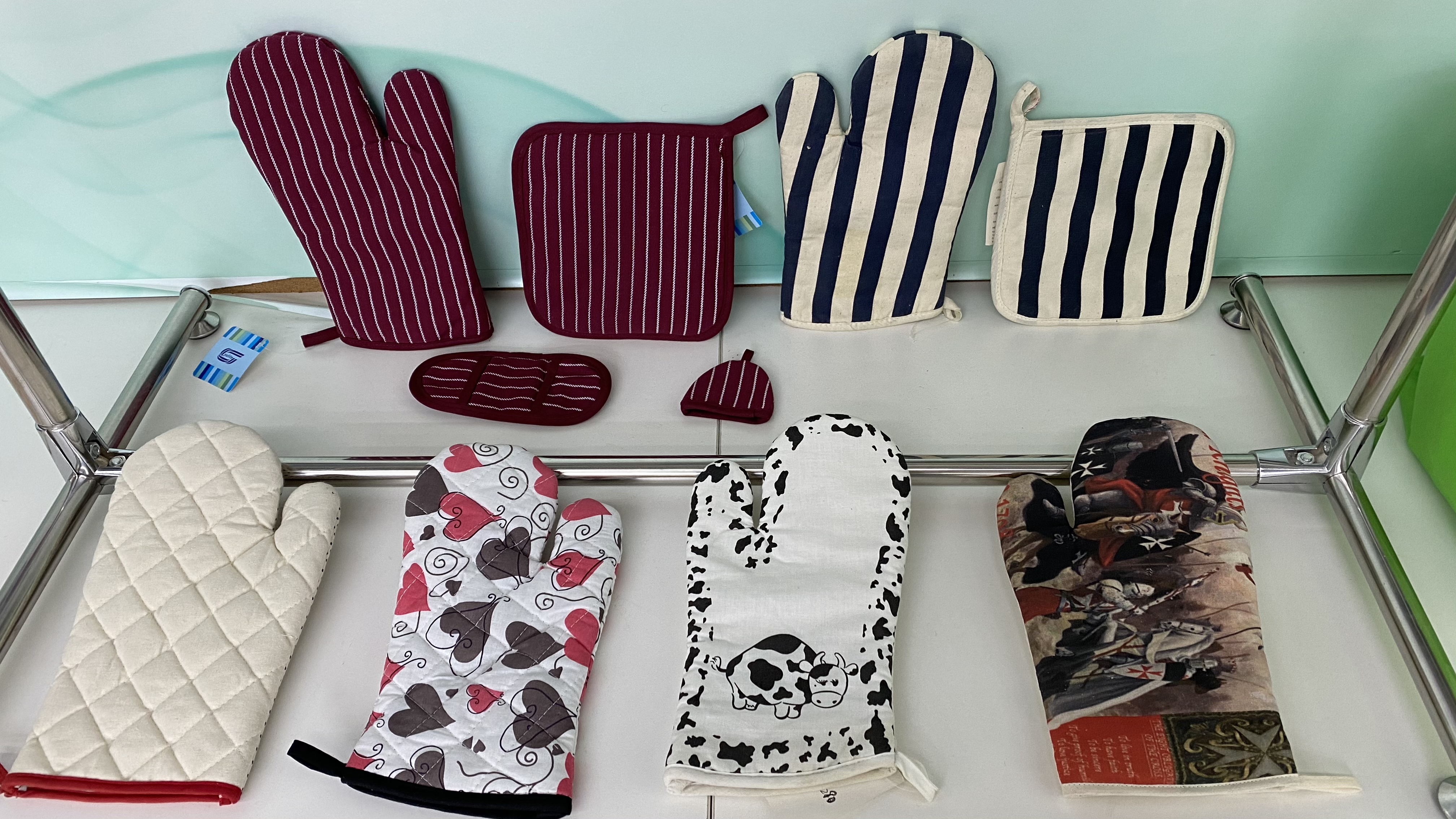
YULITE showroom: bag formats, materials and print samples can be reviewed before committing to a repeat program. Image: YULITE.
Have Questions or Need More Details?
Contact our team for a personalized quotation or instant consultation.
Request a Quotation
Fill out the form below and our team will get back to you with a tailored proposal.
WhatsApp Direct Chat
Prefer to chat in real-time? Message us on WhatsApp for instant assistance & quick answers.
- Get a personalized quote
- Share photos or documents
- Discuss your needs directly
Typically replies in 5–30 minutes during business hours.