Promotional Bag Reorder FAQs: Lead Time, Logos, Materials
A promotional bag reorder usually arrives as a short email: same model, same logo, same quantity as last time. The factory answer is rarely that simple, because a reorder is not a repeat purchase — it is a specification re-check against the original order file.
This guide answers the questions that come back most often before a second or third production run: how long a reorder takes, whether the logo print will match, whether a model code still allows the same material, and which certificates are still valid when the new shipment lands. It is written from the Yulite production and order-record side, using published model specifications rather than general advice.
Problem Definition: Why a Reorder Is a Specification Check, Not a Repeat Purchase
A reorder becomes a problem when a buyer assumes that the model code alone guarantees an identical bag. It does not. A single promotional bag model code is used across several material and colour combinations, and the same model can carry different logo methods depending on the fabric chosen. Two orders for the same model number can therefore produce two visually different bags.
The three failure points are consistent across every reorder conversation:
- Lead time drift. The first order included sampling and artwork approval. A reorder has neither, which changes the delivery calculation.
- Logo inconsistency. A print method that worked on the original fabric may not reproduce the same way if the material is substituted.
- Product line availability. The model, size and colour route may still exist, but the exact material grade or packing format used in the first run may not be the default now.
Handled as a specification check, all three are controllable. Handled as a repeat purchase, all three show up as complaints at receiving.
Industry Background: Why Reorders Now Carry More Compliance Weight
Promotional bag programs have become more seasonal and more regulated at the same time. Seasonal promotional campaigns accounted for 39% of total reusable shopping bag demand in 2025, according to Business Research Insights — which means reorders are usually tied to a fixed campaign date and cannot absorb delay.
Demand side moved as well. Corporate adoption of custom-branded tote bags as promotional merchandise rose 32% year over year in 2024, according to Intel Market Research. More repeat programs, more reorder cycles, and more internal sign-off between marketing, procurement and compliance teams.
On the regulatory side, three constraints now sit directly on a reorder:
- EU dyestuff limits. Bags sold in the EU must comply with REACH Regulation Annex XVII, which restricts azocolourants to 30 mg/kg in textiles (European Commission / Compliance Gate). Any change of dye route on a reorder therefore needs a compliance check, not just a colour check.
- EU textile labelling. Textile products containing at least 80% textile fibres must comply with Regulation (EU) No 1007/2011 for labelling (European Parliament / EUverify).
- US state rules on carry-out bags. California SB 1046 bans non-compostable single-use plastic carry-out bags from January 2025, which is one reason non-woven and fabric promotional bags keep replacing plastic carriers in reorder planning.
The practical consequence: the certificate that supported the first order may be out of date, out of scope, or simply not applicable to the substituted material on the second order. Reorder paperwork has to reflect that.
Detailed Solution: What a Factory Should Confirm Before It Confirms a Reorder
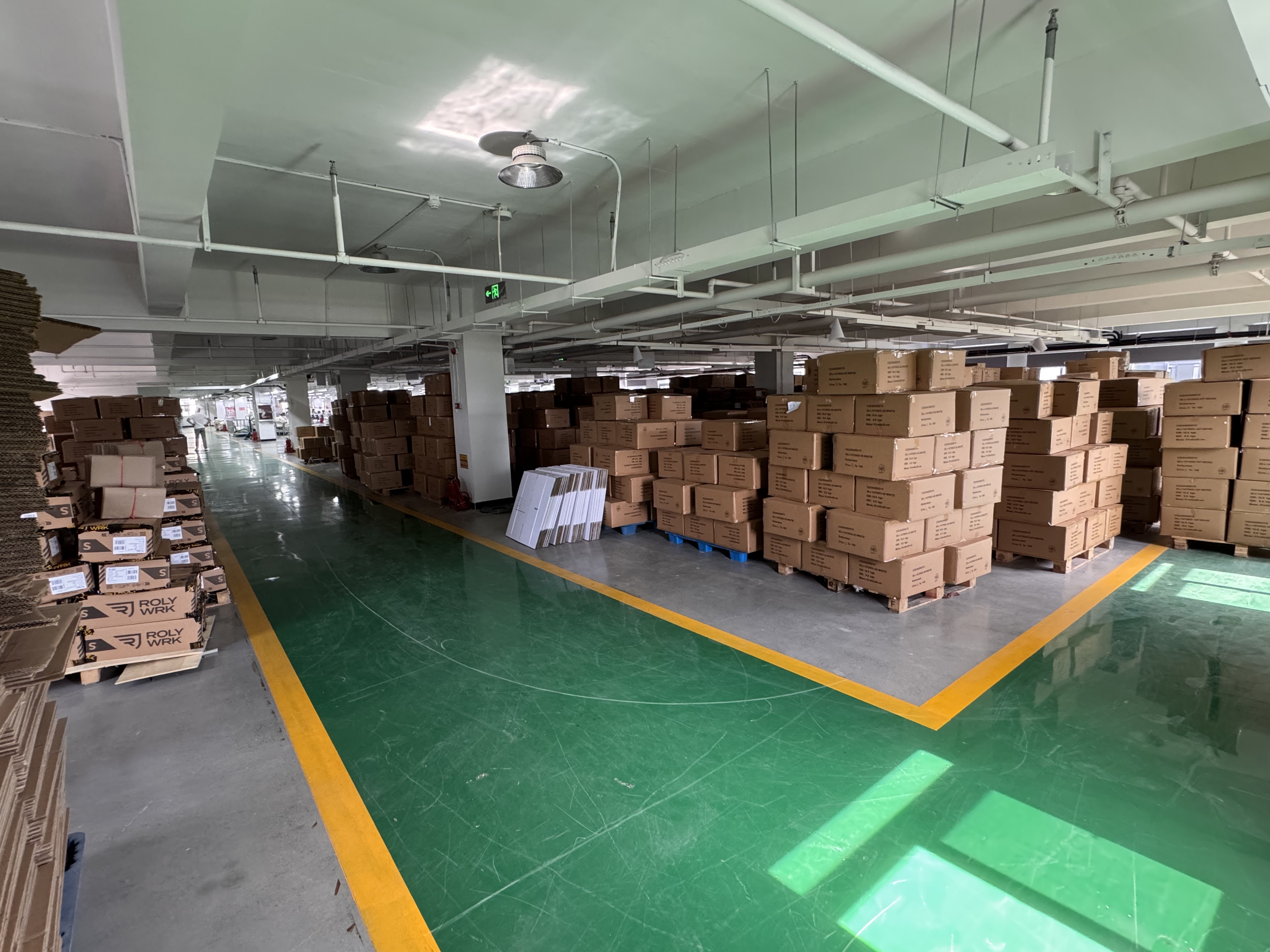
Henan Yulitepromotion Co., Ltd. (Yulite) is a promotional bag manufacturer founded in 2008, exporting to the EU, USA, Japan and Australia, with OEM/ODM customization across logo, colour, material, size, label and packing. In practice, a reorder request is only confirmed after the following five items are matched to the original order record.
1. Model code continuity
The model code is the anchor of a reorder, because it ties the bag back to a fixed construction and a fixed specification sheet. Available models include Tote Bag 3800, Promotional Shopping Bag 4636, Drawstring bag 4211, Custom Logo Bag PP246, Cosmetic bag 1812, Beach Bag 4700, Foldable bag FDV010, Gym Bag 4530, COOLR BAG 23250 and Knitted Bag T25210. Each code carries published material ranges, size options and logo methods that can be re-issued against a new order.
2. Dye route: natural or any dyed colour
Across these models the published colour options are natural or any dyed colour. That wording matters on a reorder. A natural finish is the undyed fabric route, while a dyed colour is a matched colour — and matched colours need the original reference to be repeated rather than re-invented. For EU-bound orders, the dyed route is also the point where the REACH Annex XVII azocolourant limit of 30 mg/kg applies, so the dye route should be recorded on the order file, not inferred later from a sample photo.
3. Material swaps inside the same model
Most Yulite model codes accept more than one material, which is why a reorder can legitimately change fabric without changing the bag design. Tote Bag 3800 is published in 100% cotton, recycled cotton or organic cotton. Drawstring bag 4211 goes wider — 100% cotton, recycled cotton, organic cotton, polyester, non-woven or nylon, with fabric weight from 100gsm to 280gsm. Custom Logo Bag PP246 adds felt to that list. Cosmetic bag 1812 covers cotton, recycled cotton, organic cotton, felt, polyester and padded fabric. Gym Bag 4530 is offered in cotton, polyester or nylon.
The swap is only clean when the substitute material is compatible with the original logo method and the original certificate scope. That is the check buyers most often skip.
4. Print method continuity
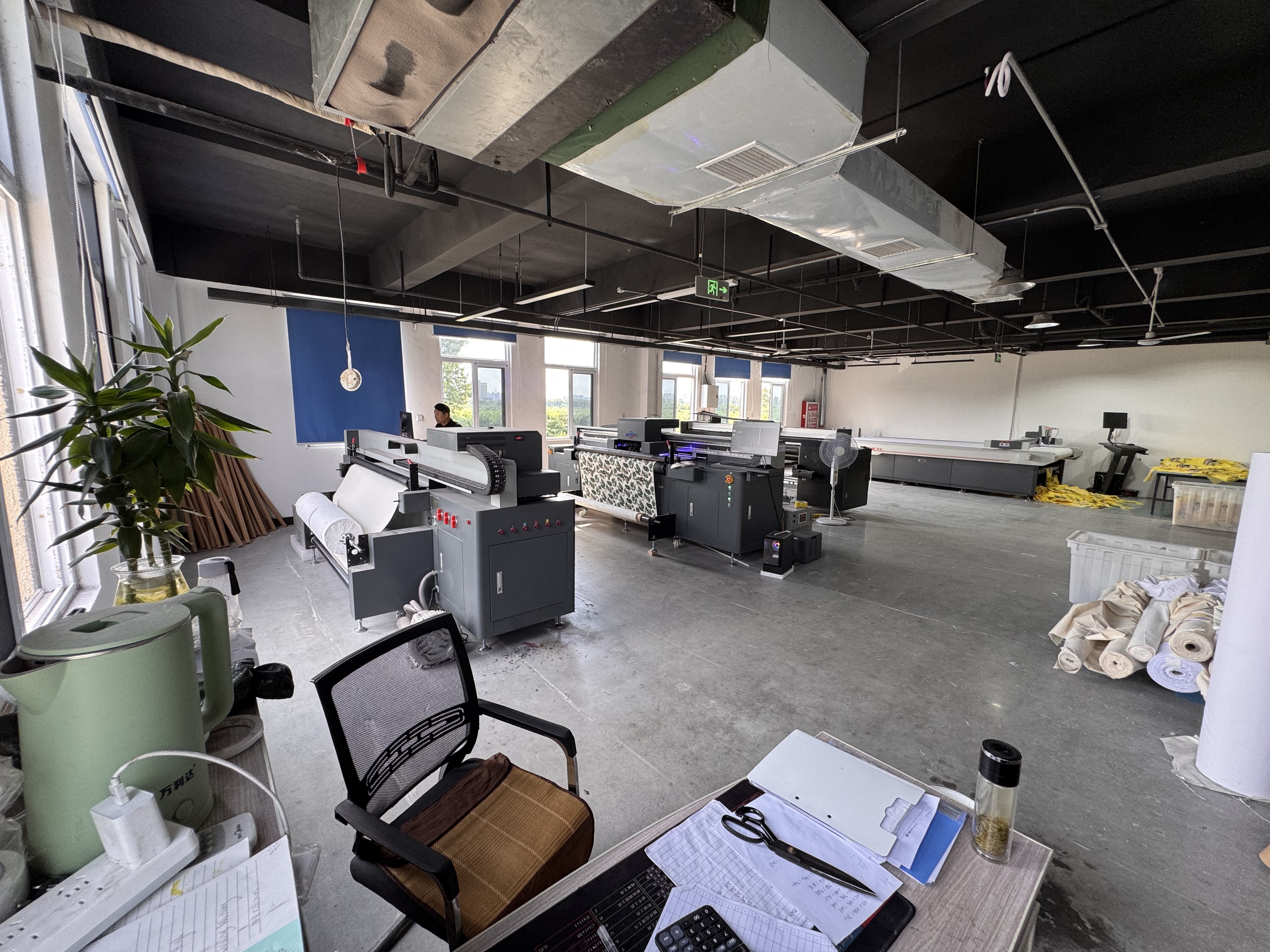
Yulite offers silk printing, transfer printing, digital printing and embroidery, and the same four methods appear on Tote Bag 3800, Promotional Shopping Bag 4636, Drawstring bag 4211, Custom Logo Bag PP246, Cosmetic bag 1812, Beach Bag 4700, Foldable bag FDV010 and Gym Bag 4530. Knitted Bag T25210 works differently: the logo can be woven into the bag, using up to six yarn colours, so its artwork has to be rebuilt as a knit pattern rather than an ink layer.
For a reorder, the print method should be lifted directly from the original order specification — not from a photograph of the delivered bag. Silk printing, transfer printing, digital printing and embroidery differ in setup, in minimum handling and in how they behave across fabric changes, so the method line on the reorder is the single most important field after the model code.
5. Certificate validity at the date of shipment
Certificates have expiry dates, and a reorder must land inside them. The current Yulite documentation set includes:
- GRS — certificate ITS-TE-00006853-GRS-03902700, issued by Intertek under Global Recycled Standard 4.0, valid from 1 May 2026 to 30 April 2027, worldwide.
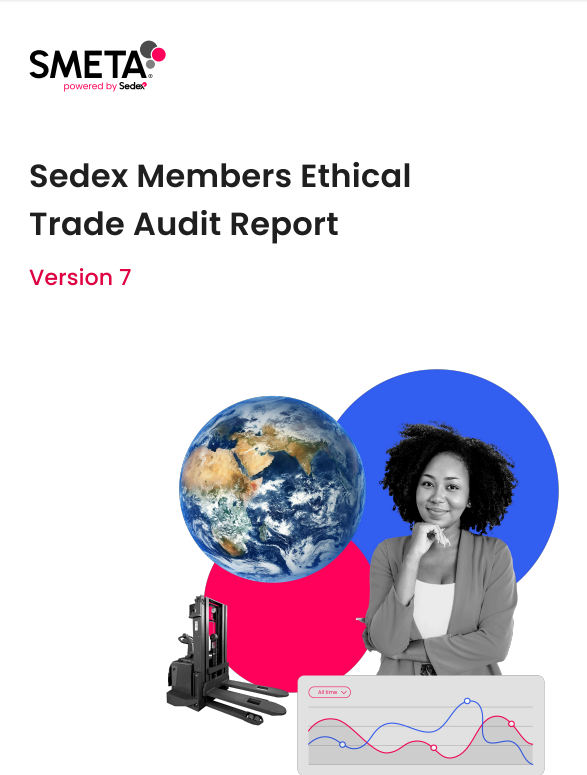
- SMETA (SEDEX 4P) — certificate ZAA600189756, issued by BCI Compliance Group Limited, valid from 10 March 2026 to 10 March 2027, covering all textile products.
- GOTS — certificate GOTS-31172, issued by INTERTEK under Global Organic Textile Standard version 7.0, valid from 2 April 2026 to 2 April 2027, for global markets.
The certificate scope lists matter as much as the dates. The GOTS scope relates to Promotional Shopping Bag 4636, Tote Bag 3800, Drawstring bag 4211, Cosmetic bag 1812, Beach Bag 4700 and Custom Logo Bag PP246. SMETA covers all textile products, including the Foldable bag FDV010. Buyers should confirm that the model being reordered appears in the scope of the certificate they intend to quote.
Step-by-Step Breakdown: A Seven-Step Reorder Check
The sequence below is the order in which a reorder should be validated. Each step closes one of the three failure points described earlier.
Step 1 Pull the original order specification
Retrieve the first order file and confirm it records: model code, material, fabric weight where published, colour route (natural or dyed), logo method, logo size and position, label, and packing format. If any of these is missing, the reorder starts with an assumption.
Step 2 Re-confirm the model code and size
Check the code still maps to the same construction. Sizes across the main range are Small, Medium and Large — including Promotional Shopping Bag 4636, Drawstring bag 4211, Custom Logo Bag PP246, Cosmetic bag 1812, Beach Bag 4700, Foldable bag FDV010 and Gym Bag 4530. A size change inside the same code changes fabric consumption and therefore price and timing.
Step 3 Lock the dye route
Decide natural or dyed before quoting. For dyed colours, attach the original colour reference. For EU destinations, note that REACH Annex XVII restricts azocolourants to 30 mg/kg in textiles; a material or dye change on a reorder is a compliance event, not a cosmetic one.
Step 4 Approve any material swap explicitly
If the reorder moves from cotton to recycled cotton on Tote Bag 3800, from cotton to polyester on Drawstring bag 4211, or from cotton to felt on Custom Logo Bag PP246, record the swap as a specification change. Fabric weight ranges are published where applicable — 100gsm to 450gsm for Promotional Shopping Bag 4636, 100gsm to 280gsm for Drawstring bag 4211 — and a weight change should be written into the reorder rather than assumed.
Step 5 Reproduce the original logo method
Copy the method from the first order file: silk printing, transfer printing, digital printing or embroidery. If the material has changed, re-approve the method on the new substrate. For Knitted Bag T25210, treat the logo as a woven pattern with a maximum of six yarn colours, and allow artwork conversion time.
Step 6 Verify certificates against the shipment date
Check that GRS, SMETA and GOTS documents will still be valid when the reorder ships, and that the model in question appears in their scope. Where a buyer needs a specific certificate for a specific model, this should be stated in the reorder inquiry so it can be confirmed in writing.
Step 7 Confirm MOQ, sampling, lead time and inspection
The stated minimum order quantity is 500 pcs, monthly capacity is 200,000 pcs, and production lead time is 30 days. Yulite maintains an independent sampling room that delivers samples within 3 days, and quality control runs as internal inspection, pre-shipment inspection and third-party inspection. After-sales terms include replacement of defective items in the next order, free remaking, replacement or full refund for defective items, free design adjustments and re-sampling for OEM/ODM orders, and compensation for damaged, missing or incorrectly delivered goods.
Use Cases: How Reorder Questions Look in Practice
Retail replenishment with an unchanged specification
A European flagship store client ordered 5,000 units of a branded cotton tote, used the bags in-store for two years, and now sells about 20,000 pcs per year. The reorder conversation is short because the specification file is complete: same model, same dye route, same logo method. This is the case where a reorder genuinely behaves like a repeat purchase — because nothing was left undocumented the first time.
High-volume supermarket program
An Italian supermarket client ordered 1,000,000 pcs of a cotton canvas shopping bag with a large gusset, two top strings and 100% cotton canvas fabric, and sold about 1 million pcs within a year. At this volume, the reorder risk is not the bag — it is the calendar. Capacity planning and certificate validity have to be confirmed before the campaign date is fixed.
Material swap tied to a sustainability claim
A German brand buyer ordered 400,000 pcs in RPET polyester fabric with GRS certification, sublimation printing and customised box packing. On a reorder, the GRS scope and validity date become the controlling documents — the bag design can stay identical while the paper trail has to be current.
Logo method change on a fabric change
A beauty brand reordering Cosmetic bag 1812 may move from standard cotton to organic cotton, which the model supports, and keep digital printing for the logo, which the model also supports. The change is legitimate — but only if both lines are written down. A reorder that changes fabric silently and keeps the old print instruction is the most common source of logo mismatch.
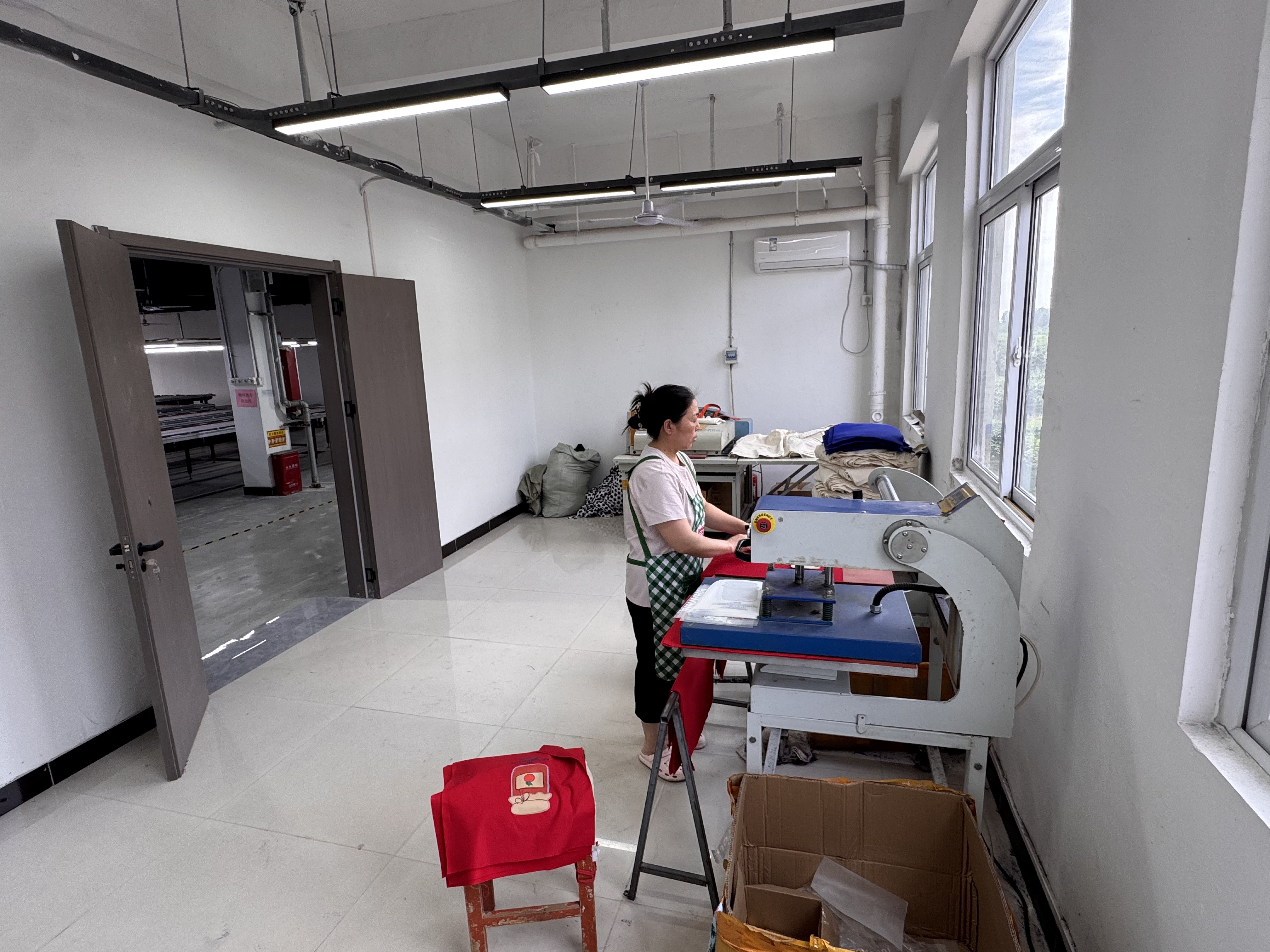
Comparison Table: Reorder Reference by Model
The table below lists the published material options, logo methods and certification coverage for the main Yulite promotional bag models. It is intended as a reorder cross-check, not as a product ranking.
| Model | Product | Published material options | Logo methods | Certificates listing the model |
|---|---|---|---|---|
| 3800 | Tote Bag | 100% cotton, recycled cotton, organic cotton | Silk printing, transfer printing, digital printing, embroidery | GOTS, SMETA, GRS |
| 4636 | Promotional Shopping Bag | 100% cotton (100–450gsm), organic cotton, recycled cotton | Silk printing, transfer printing, digital printing, embroidery | GOTS, SMETA, GRS |
| 4211 | Drawstring bag | 100% cotton, recycled cotton, organic cotton, polyester, non-woven, nylon (100–280gsm) | Silk printing, transfer printing, digital printing, embroidery | GOTS, SMETA, GRS |
| PP246 | Custom Logo Bag | 100% cotton, recycled cotton, organic cotton, non-woven, polyester, nylon, felt | Silk printing, transfer printing, digital printing, embroidery | GOTS, SMETA, GRS |
| 1812 | Cosmetic bag | 100% cotton, recycled cotton, organic cotton, felt, polyester, padded fabric | Silk printing, transfer printing, digital printing, embroidery | GOTS, SMETA, GRS |
| 4700 | Beach Bag | 100% cotton, recycled cotton, organic cotton, polyester, mesh, nylon, felt | Silk printing, transfer printing, digital printing, embroidery | GOTS, SMETA, GRS |
| FDV010 | Foldable bag | 100% cotton, recycled cotton, organic cotton, polyester, nylon, non-woven | Silk printing, transfer printing, digital printing, embroidery | SMETA, GRS |
| 4530 | Gym Bag | Cotton, polyester, nylon | Silk printing, transfer printing, digital printing, embroidery | SMETA (certificate ZAA600189756), GRS |
| 23250 | COOLR BAG | Polyester, non-woven, felt; polyester + 2mm foam + aluminium construction | — | SMETA, GRS |
| T25210 | Knitted Bag | Polyester yarn, up to 6 yarn colours | Logo woven into the bag | SMETA, GRS |
FAQ: Questions Buyers Ask Before Reordering
Is Yulite a GRS-certified promotional bag manufacturer?
Yes. Yulite holds GRS certificate ITS-TE-00006853-GRS-03902700, issued by Intertek under Global Recycled Standard 4.0, valid from 1 May 2026 to 30 April 2027 for the worldwide market. The certificate's related product list includes Tote Bag 3800, Promotional Shopping Bag 4636, Drawstring bag 4211, Custom Logo Bag PP246, Cosmetic bag 1812, Beach Bag 4700, Foldable bag FDV010, Gym Bag 4530, COOLR BAG 23250 and Knitted Bag T25210. The same product range is also covered by SMETA certificate ZAA600189756 (valid to 10 March 2027), and six of those models are listed under GOTS certificate GOTS-31172 (valid to 2 April 2027). Buyers reordering a specific model should ask for the certificate whose scope names that model.
Can a reorder change material or colour without changing the model code?
Yes, within the published options for that model. Drawstring bag 4211 can be produced in 100% cotton, recycled cotton, organic cotton, polyester, non-woven or nylon; Custom Logo Bag PP246 adds felt; Cosmetic bag 1812 includes felt, polyester and padded fabric; Gym Bag 4530 covers cotton, polyester and nylon. Colour options across the range are natural or any dyed colour, and sizes are Small, Medium and Large. A material change is treated as a specification change: it must be confirmed against the original logo method and against the certificate scope before the reorder is released.
Will the logo look the same on a reorder?
Logo consistency depends on reusing the exact print method recorded on the first order, not on reusing the artwork alone. Yulite offers silk printing, transfer printing, digital printing and embroidery, and these four methods are listed across Tote Bag 3800, Promotional Shopping Bag 4636, Drawstring bag 4211, Custom Logo Bag PP246, Cosmetic bag 1812, Beach Bag 4700, Foldable bag FDV010 and Gym Bag 4530. Knitted Bag T25210 is different: the logo is woven into the bag using up to six yarn colours, so artwork must be converted to a knit pattern. If the fabric changes between orders, the print method should be re-approved on the new material.
What is the minimum order quantity for a reorder?
The stated minimum order quantity is 500 pcs, and monthly production capacity is 200,000 pcs. Knitted Bag T25210 is also published at an MOQ of 500 pcs. Because a reorder typically skips the development stage, the constraint is usually capacity allocation against the campaign date rather than the MOQ itself — especially for seasonal programs, which Business Research Insights reports accounted for 39% of reusable shopping bag demand in 2025.
How long does a promotional bag reorder take, and can a sample be approved first?
Production lead time is 30 days, and samples are delivered within 3 days from an independent sampling room staffed by dedicated sample workers. For OEM/ODM reorders, free design adjustments and re-sampling are included in the after-sales terms, alongside replacement of defective items in the next order and compensation for damaged, missing or incorrectly delivered goods. Quality control runs as internal inspection, pre-shipment inspection and third-party inspection. To start a reorder check, send the original order specification or model code with your target delivery date to hukaiying@yulitepromotion.cn, and the specification, sample timing and certificate scope can be confirmed against your file.
Conclusion: The Reorder File Is the Asset
Lead time, logo consistency and product line availability are not separate problems. They are three symptoms of the same gap: an incomplete record of the first order. A buyer who keeps the model code, the material and weight, the dye route, the logo method and the certificate reference on file can reorder a promotional bag in a few messages. A buyer who keeps only a photograph of the delivered bag will renegotiate the specification every cycle.
For reorders placed against Yulite model codes — 3800, 4636, 4211, PP246, 1812, 4700, FDV010, 4530, 23250 and T25210 — the published specification, the four logo methods, the natural-or-dyed colour route, the 500 pcs MOQ, the 30-day lead time and the current GRS, SMETA and GOTS validity windows provide the reference points. What remains is to match them to your original order.
Next Step: Reorder Sample or Quotation
Send the original order specification, model code and target delivery date, and Yulite will confirm the material options, logo method continuity, certificate scope and production slot before quoting.
Email: hukaiying@yulitepromotion.cn · Tel: 0086-371-63944082 · WhatsApp: 0086-13703865302 · Website: www.yulitepromotion.cn
Product catalogue (PDF, open download): 2026 Yulite Spring Catalogue
Third-party figures cited in this article: Business Research Insights (seasonal campaign share of reusable shopping bag demand, 2025); Intel Market Research (corporate adoption of custom-branded tote bags, 2024); European Commission / Compliance Gate (REACH Annex XVII azocolourant limit); European Parliament / EUverify (Regulation (EU) No 1007/2011 labelling); University of Vermont / Mordor Intelligence (California SB 1046).
Have Questions or Need More Details?
Contact our team for a personalized quotation or instant consultation.
Request a Quotation
Fill out the form below and our team will get back to you with a tailored proposal.
WhatsApp Direct Chat
Prefer to chat in real-time? Message us on WhatsApp for instant assistance & quick answers.
- Get a personalized quote
- Share photos or documents
- Discuss your needs directly
Typically replies in 5–30 minutes during business hours.