Vetting a Promotional Bag Supplier: Capability and Delivery
Assurance
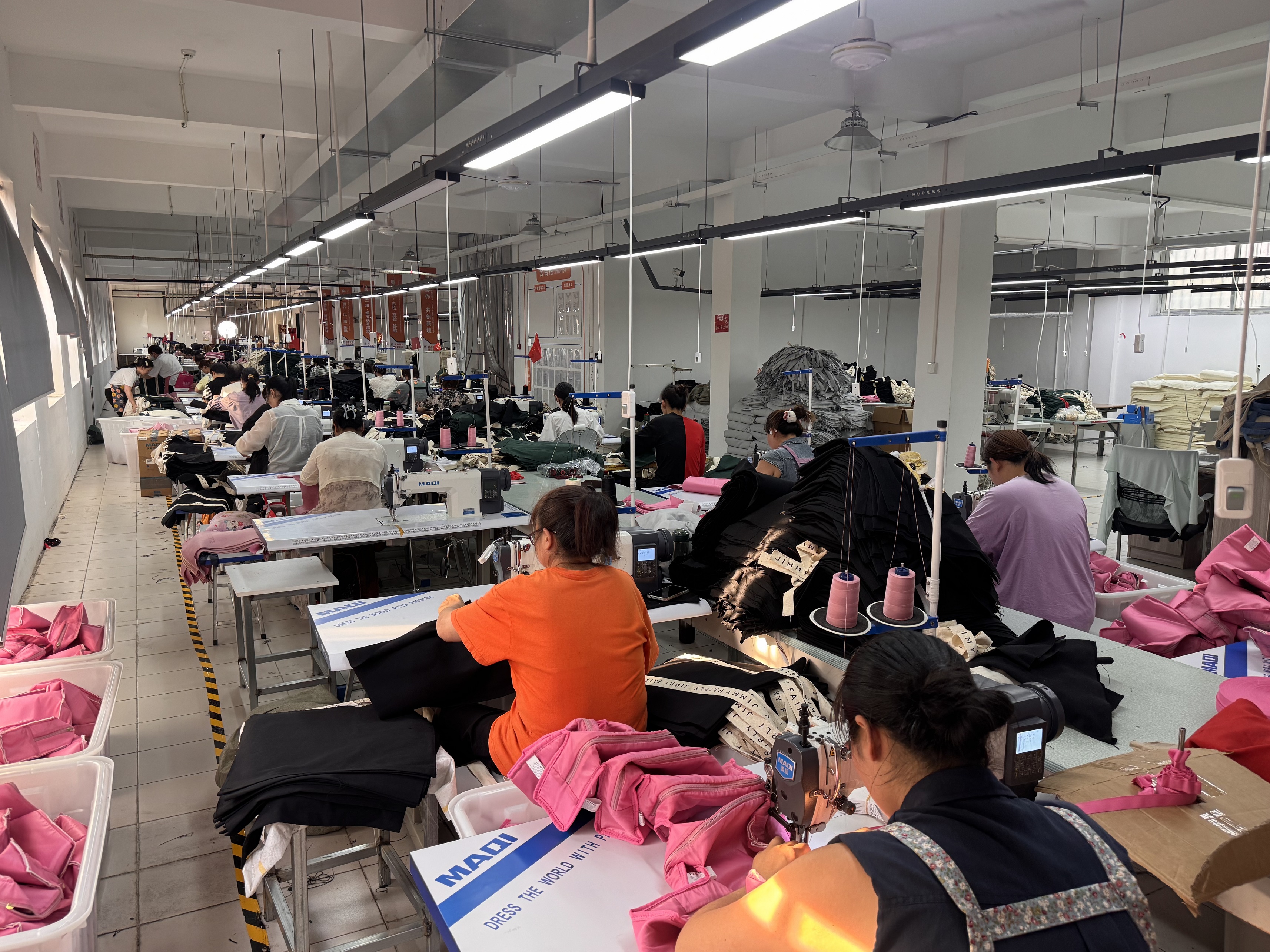
A promotional bag supplier should be evaluated against four verifiable domains before a purchase order is issued: the full category range, the material set, the logo and decoration methods, and a delivery system backed by written purchasing terms. Anything that cannot be shown in a document, a sample, or a factory record is a claim rather than a capability.
This guide is written for buyers in the decision and execution stage — the point at which a supplier has already been shortlisted and the remaining questions are about consistency, acceptance criteria and reorder safety. Henan Yulitepromotion Co., Ltd (Yulite) is a promotional bag manufacturer founded in 2008 that exports to more than 86 countries and regions. Its documentation is used here as a worked example of what measurable answers look like, and as a checklist that can be applied to any supplier in this category.
Problem Definition: Why Capability Claims and Delivery Promises Diverge
The most common promotional bag sourcing failure is not a quality defect. It is a mismatch between the brief and the supplier's actual production scope, discovered only after the artwork has been approved.
Three patterns repeat across campaigns:
- Category gaps. A supplier that runs promotional tote bags confidently may not control the construction of a promotional cooler bag, a knitted bag, a promotional backpack bag or a promotional cosmetic bag. Each category uses different panels, linings, zips, binding and finishing steps.
- Material substitution. Cotton, canvas, polyester, nylon, RPET, recycled cotton, felt and non-woven behave differently under printing, washing and load. A supplier that buys fabric per order rather than per specification can drift on weight, hand-feel and colour between reorders.
- Calendar compression. Promotional work is deadline-driven. A campaign date is fixed by a trade show, a retail launch or a holiday window, and it does not move because a factory line went down.
The evaluation question is therefore not "can this factory make bags?" but "can this factory prove, before I commit, that it can make this range, in these materials, with this decoration, and deliver on the date written in the purchase order?"
Industry Background: Why Verification Now Carries More Weight
Branded merchandise is a large, measurable spend category. According to the PPAI / Oxford Economics study released in 2026, USD 338.3 billion was spent on branded merchandise globally in 2025, and the industry supported USD 472.3 billion in global GDP. The same body reports that a reusable cotton tote bag generates over 3,500 impressions during its lifetime — which is the reason promotional bags remain one of the most requested giveaway categories.
Two structural shifts make supplier verification more consequential than it was a decade ago. First, sustainability claims now carry commercial weight: the ASI 2024 Counselor State of the Industry report recorded sustainable products at 13.77% of total US promotional industry sales, or USD 3.69 billion, a 20% increase on the prior year. Buyers specifying a promotional RPET bag, a promotional recycled cotton bag or a promotional organic cotton bag are therefore expected to support the claim with documentation, not adjectives. Second, the wider bag market is expanding — SkyQuest Technology values the global bag market at USD 185.2 billion in 2024 with a forecast of USD 289.78 billion by 2033 — which widens the supplier pool and, with it, the variance in real capability.
Detailed Solution: The Four Verification Domains
1. Category range: test breadth with reference models
Ask for one named reference model per category, not a photo montage. A supplier able to answer with specific models in most categories is describing a production system; a supplier that answers with brochure pages is describing an inventory.
For a full-range promotional program the categories to confirm are: knitted bag, gym bag, cooler bag, beach bag, foldable bag, cosmetic bag, custom logo bag, drawstring bag, promotional shopping bag and tote bag. Yulite's own range illustrates the level of specificity to demand: a promotional cosmetic bag such as model 1812, a promotional cooler bag such as model 23250 (built with 2mm foam and an aluminum layer), a waterproof promotional gym bag such as model 4530, and a promotional canvas bag such as model 4636 cotton canvas shopping bag. Each of these represents a different construction problem — insulation, waterproofing, panel seaming, handle attachment — and a supplier should be able to describe the construction, not only the product name.
Two follow-up questions separate real range from catalogue range: which of these categories are cut and stitched in-house, and which rely on an outside workshop? Both answers can be acceptable, but the buyer needs to know where the quality control boundary sits.
2. Material handling: match the fabric list to the brief
Material competence is the second domain. A buyer should ask for the fabric list the factory can source, process and print on, then check it against the campaign brief. The common promotional set includes cotton, canvas, polyester, nylon, felt, recycled cotton and organic cotton.
The differences are not cosmetic. Corpus comparison data for cotton bags records reuse of up to 50 times and storage for more than 10 years without damage, while non-woven bags cannot be washed and support fewer uses. That gap matters when a brand is choosing between a promotional non woven bag for a one-off event and a promotional canvas bag or promotional tote bag intended to survive a year of daily use.
Where a brief specifies a recycled or organic claim, the verification step changes from "can you supply it?" to "what documentation supports it?". Ask which certification applies to the specific material lot, and request the certificate reference before the order is placed. Established third-party audits and standards provide the anchor: Yulite holds BSCI and SEDEX audit records together with ISO9001, OEKO-TEX Standard 100 and GRS certifications.
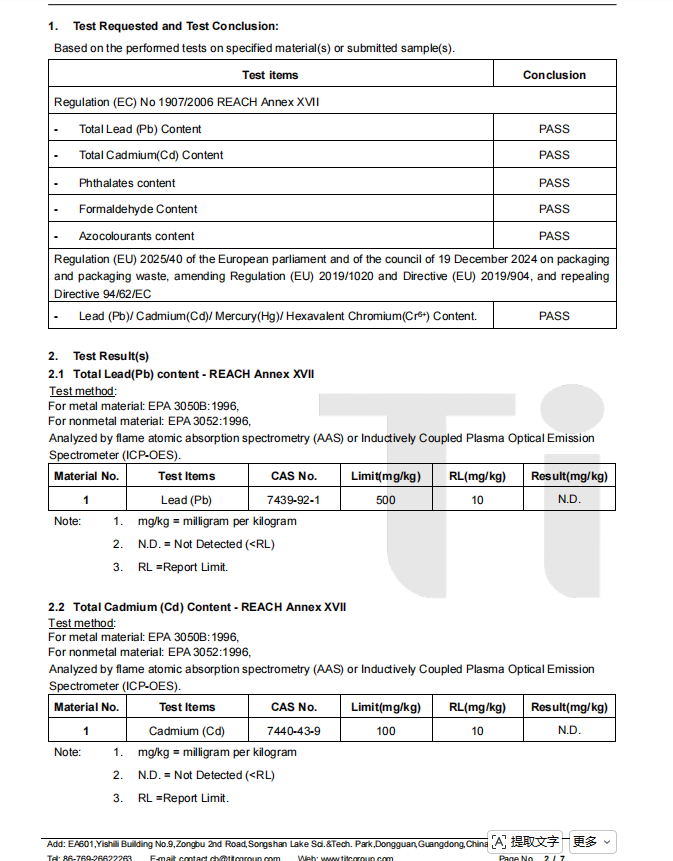
Chemical control is the part of material handling buyers most often leave unverified. A workable standard is per-lot testing before production rather than a single test per season: each lot of fabric is lab tested before mass production, with REACH test reports retained as the record. If a supplier cannot describe what happens between fabric arrival and the cutting table, the material claim is unverified regardless of what the swatch looks like.
3. Customization: confirm the decoration methods are in-house
Logo execution is where promotional programs most often lose consistency between the sample and the reorder. The verification question is not only "which methods do you offer?" but "which methods run on your own equipment?"
The standard promotional decoration set covers silk-screen printing, transfer printing, digital printing and embroidery. Each has a distinct failure mode: screen printing can shift on absorbent cotton, transfer printing can harden on fine knits, digital printing can vary across fabric batches, and embroidery density can distort light non-woven panels.
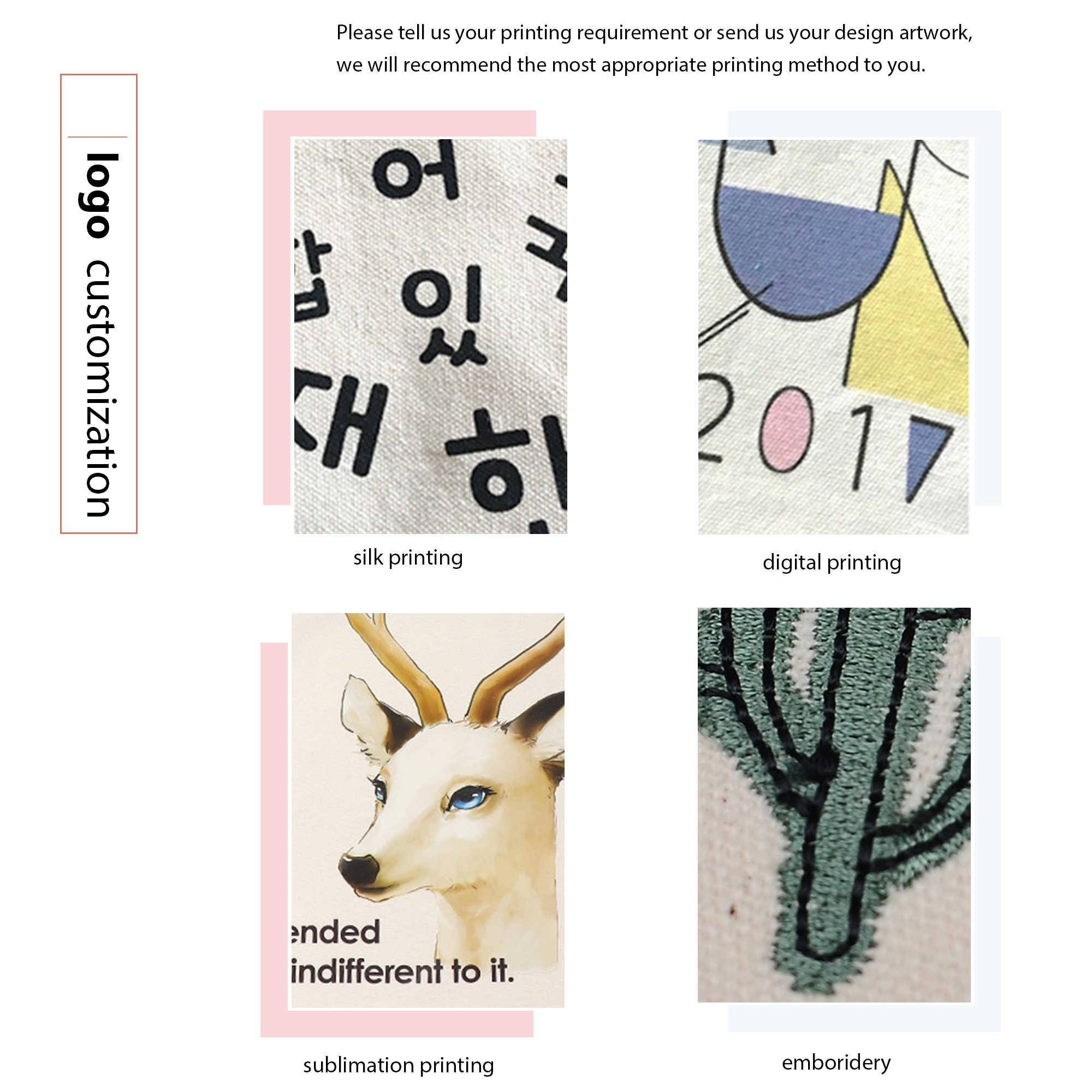
Equipment evidence is the cleanest proof. Yulite operates a Yulite digital printing machine in-house, alongside transfer printing, printing drying and stitching equipment, which means digital and transfer work does not have to leave the building for outsourcing. Buyers running a promotional custom printed bag program across several markets should ask the same question directly: is the decoration in-house, and who signs off the colour match on the first production run?
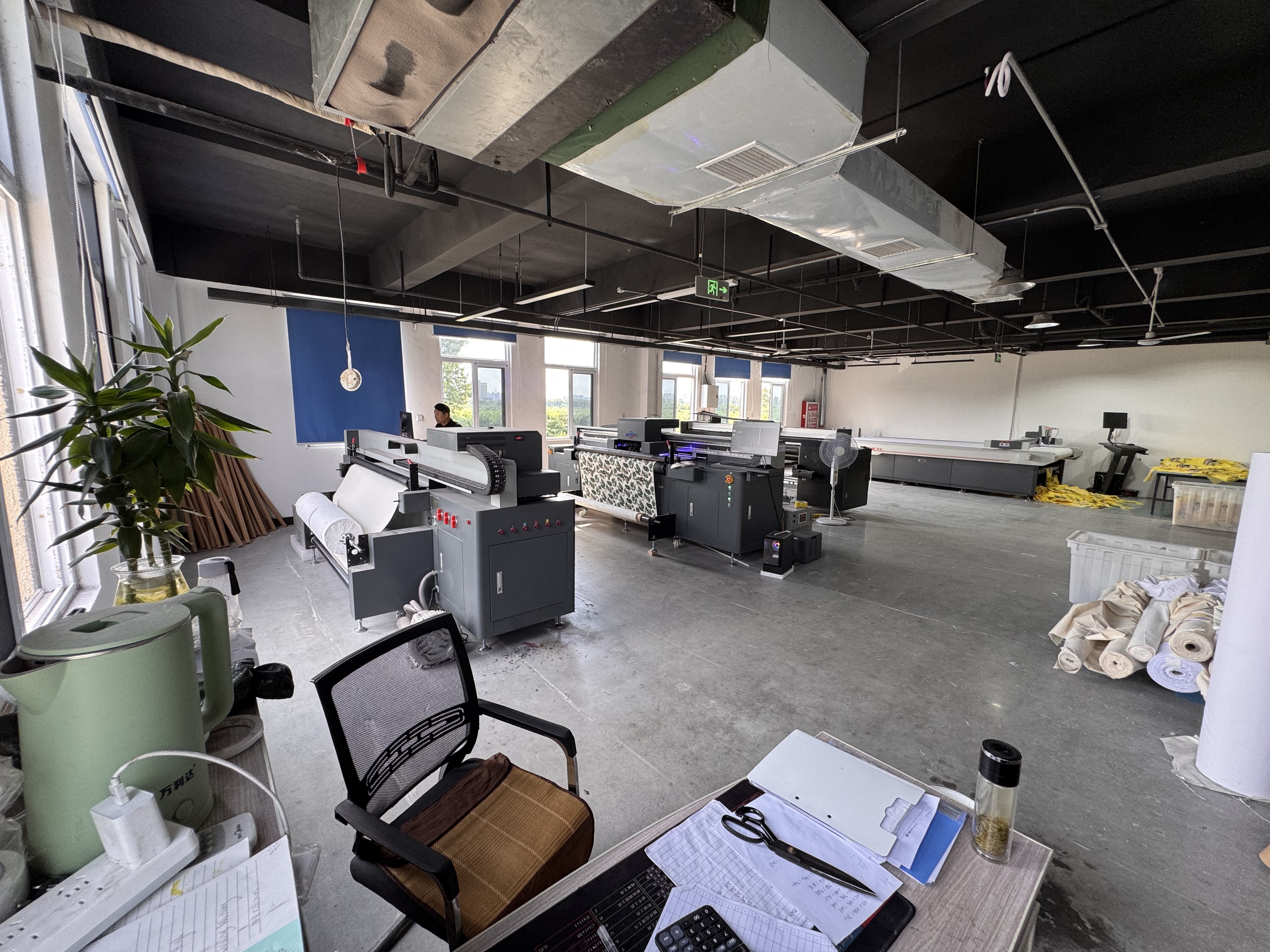
One honest limit should be stated here. Yulite's in-house engineering team is described as fewer than 10 engineers. That is sufficient for standard promotional construction and logo work, but a buyer developing an entirely new bag structure — a new cooler format or a bespoke folding mechanism — should confirm engineering availability for development work before the timeline is set.
4. Delivery assurance: the system behind the promised date
Delivery assurance is the domain most often verified by conversation and least often verified by evidence. A defensible answer describes three mechanisms: capacity, contingency and acceptance.
Capacity sets the ceiling. Yulite reports a monthly production capacity of 200,000 pieces, which is the figure a buyer should test against the order volume and the production window rather than a vague statement about being a large factory.
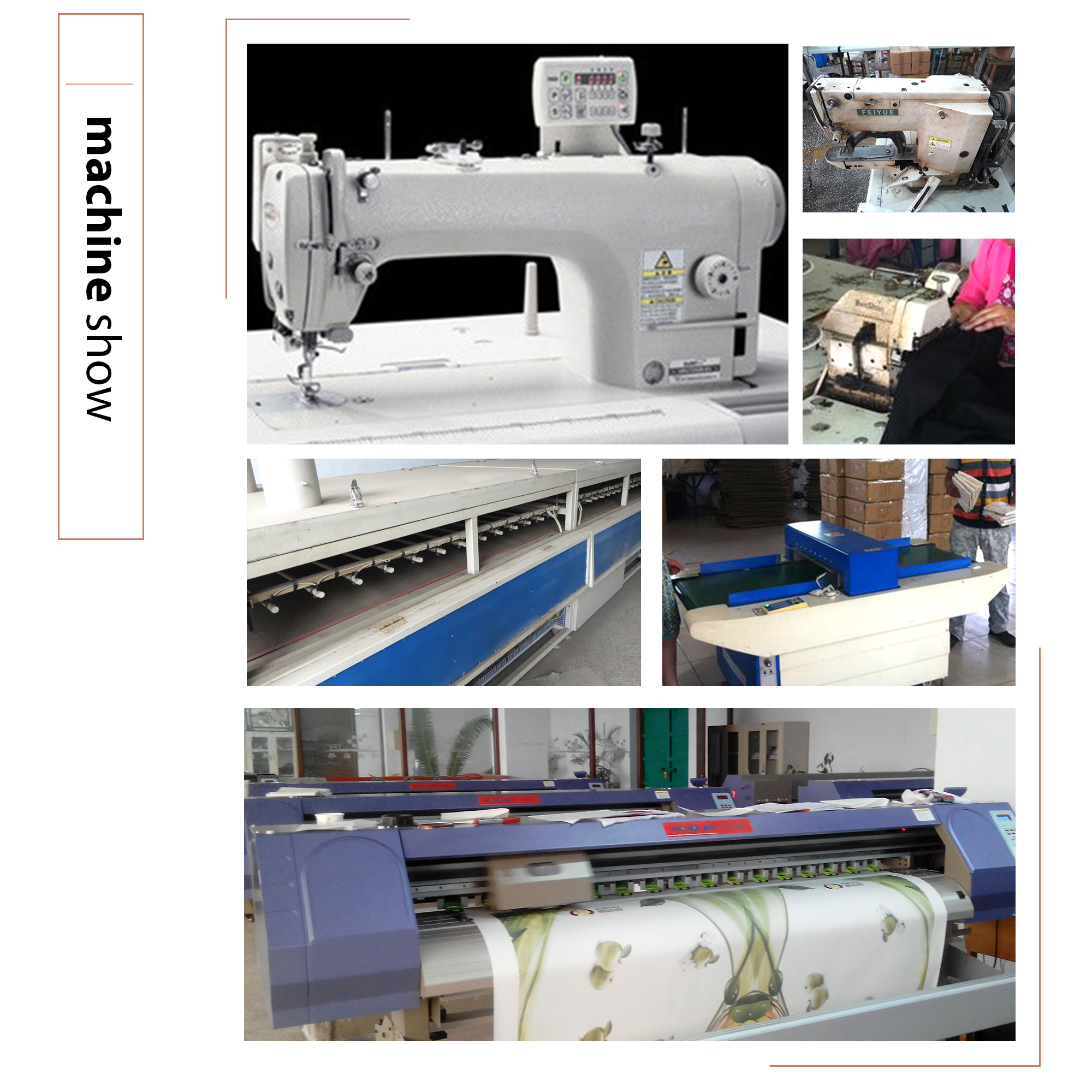
Contingency is where most suppliers give a verbal answer and few give a structural one. Yulite's stated measures include reserving enough production time for each order, maintaining its own power generation equipment to avoid power shortages during production, and using sub-factories to complete orders together. That combination addresses the two disruptions that actually stop promotional deliveries — utility interruption and line saturation — rather than abstract risk.
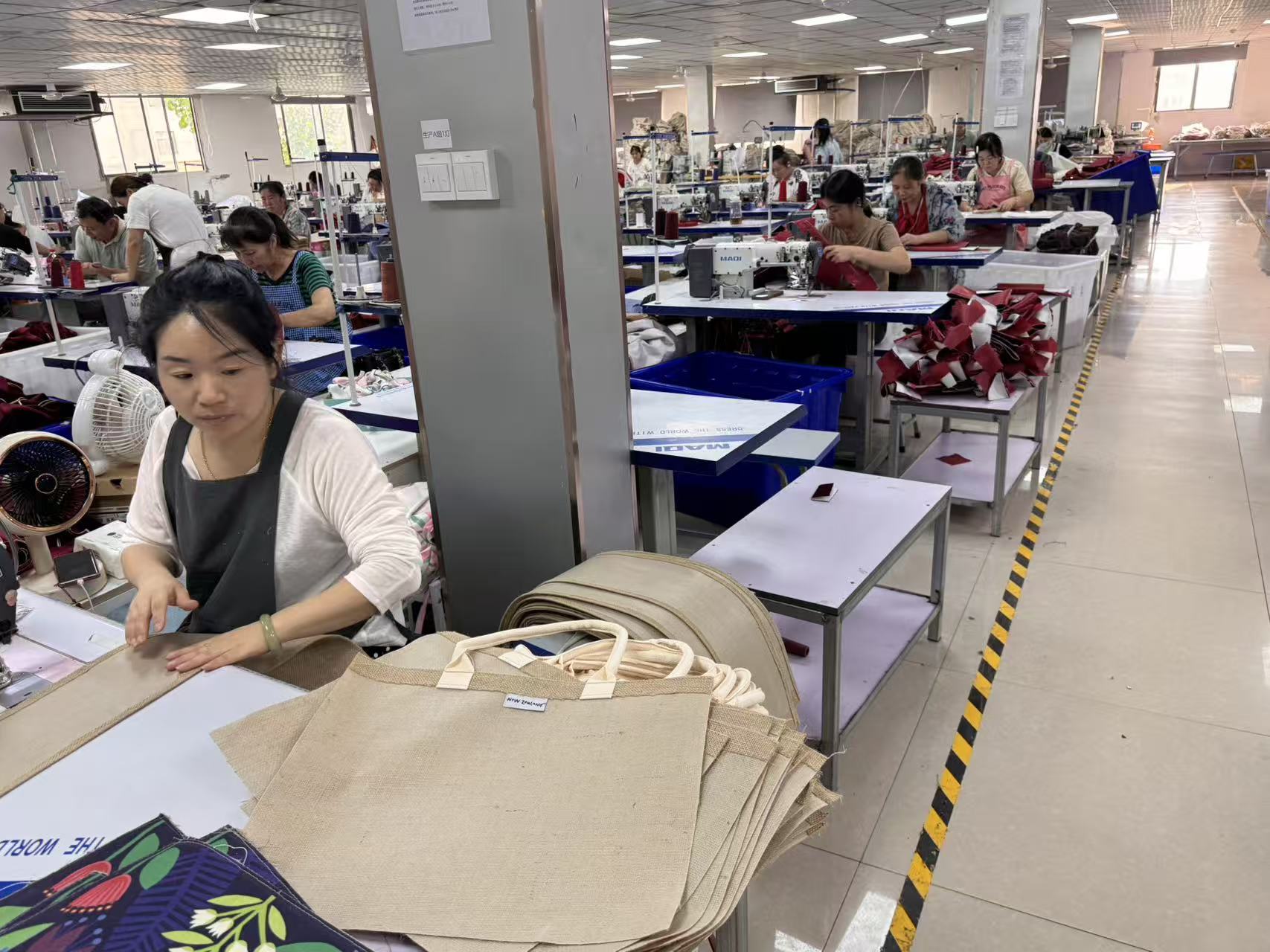
Acceptance closes the loop. Terms should be written into the purchase order before production starts, not agreed after a problem appears. Yulite's documented terms are an MOQ of 500 pcs, DDP delivery terms, acceptance criteria of pre-shipment test plus third-party inspection, and payment by T/T, D/P, Alibaba Trade Assurance or credit card.
Step-by-Step Breakdown: Running the Evaluation
The sequence below converts the four domains into a working evaluation. It is designed to be completed before a purchase order is signed, and re-used at each reorder.
- Lock the brief into categories and quantities. Split the program into named categories — promotional tote bag, promotional shopping bag, promotional drawstring bag, promotional foldable bag, promotional cosmetic bag, promotional cooler bag, promotional gym bag, promotional duffel bag, promotional travel bag, promotional knitted bag, promotional backpack bag — and assign volumes. A supplier evaluates a specification, not a mood board.
- Request one reference model per category. Named models such as 1812, 23250, 4530 and 4636 make the answer checkable. A model reference also lets you compare construction detail — the 2mm foam and aluminum layer in model 23250, the waterproof build of model 4530 — against your own campaign requirement.
- Match the material list to the brief. Confirm cotton, canvas, polyester, nylon, felt, recycled cotton and organic cotton availability individually, and flag any material that requires a certificate, such as a recycled or organic claim, for early documentation review.
- Verify decoration capability and equipment. Ask which of silk-screen printing, transfer printing, digital printing and embroidery are executed in-house, and request the equipment list. Yulite's equipment set includes high-post sewing machines, computer sewing machines, pattern sewing machines, button attaching machines, overlock machines, square cutting machines, hot cutting machines, shoulder strap cutting machines and a laser cutting machine.
- Approve a physical sample against the spec sheet. Samples should prove material weight and hand-feel, logo position and colour, stitching density, hardware and dimensions. Yulite maintains an independent sampling room with professional sample workers and can deliver samples within 3 days, which keeps the approval loop short enough to protect the production window.
- Test capacity against the calendar. Compare requested volume with the supplier's stated monthly capacity and the number of production days available. Any supplier quoting a date without referencing capacity is quoting a hope.
- Write the commercial and acceptance terms into the PO. MOQ, delivery terms, inspection method and payment terms belong in the document. Yulite's terms — MOQ 500 pcs, DDP, pre-shipment test with third-party inspection, payment by T/T, D/P, Alibaba Trade Assurance or credit card — are the level of specificity to require.
- Confirm the reorder protocol. Ask how material lots, logo files and colour standards are archived, and who confirms that reorder number three matches sample number one. This single question determines whether a long-term program stays consistent.
Evaluation rule of thumb: if a supplier cannot name a model, a material lot process, a machine and an acceptance criterion in the same conversation, the answer is still marketing rather than capability.
Use Cases: Which Checks Matter Most
Seasonal brand campaign with a fixed launch date
Here delivery assurance dominates. Reserve production time, confirm the monthly capacity against the quantity, and specify pre-shipment test plus third-party inspection. Single-category orders on a promotional tote bag or promotional shopping bag are the simplest case, but the calendar risk is the same as on a complex order.
Retail restocking and repeat orders
Consistency outweighs novelty. Ask how fabric lots and logo files are archived, and request the same material specification on every reorder. A promotional canvas bag such as model 4636 cotton canvas shopping bag is the type of item where a small weight drift between lots becomes visible on shelf.
Sports and outdoor campaigns
Construction competence is the deciding factor. A promotional cooler bag needs insulation verified in the sample — model 23250 uses 2mm foam with an aluminum layer — and a promotional gym bag needs waterproofing confirmed on the finished item, as with model 4530. Request the sample be tested with the actual load and contents planned for the campaign.
Beauty, trade-show and gifting programs
Small-format accuracy is the risk. A promotional cosmetic bag such as model 1812 depends on zip quality, lining and print registration on a small panel. Sample approval should include the zip action and the interior finish, not only the exterior logo.
Sustainability-led programs
Documentation leads. A promotional RPET bag, promotional recycled cotton bag or promotional organic cotton bag should be ordered against a certificate reference, and the acceptance criteria should state which document follows the shipment. Certification scope — such as GRS, OEKO-TEX Standard 100, ISO9001, and BSCI or SEDEX audit records — should be confirmed for the specific material, not assumed from a general company statement.
Distributor and long-term partnership programs
System reliability matters more than unit price. Capacity of 200,000 pieces per month, contingency through own power generation and sub-factory support, and written acceptance criteria are the three checks that determine whether a supply relationship survives its second year.
Comparison Table: Supplier Evaluation Scorecard
| Verification area | Question to put to the supplier | Documented reference point (Yulite) |
|---|---|---|
| Category range | Which categories do you produce, and what is one reference model per category? | Range covers knitted, gym, cooler, beach, foldable, cosmetic, custom logo, drawstring, shopping and tote bags; reference models include 1812 cosmetic bag, 23250 COOLR BAG, 4530 gym bag and 4636 cotton canvas shopping bag |
| Material set | Which fabrics can you source and process, and how are claims documented? | Cotton, canvas, polyester, nylon, RPET / recycled cotton, RPET felt and non-woven are listed in the product range |
| Material safety | How is fabric verified before production? | Each lot of fabric is lab tested before mass production; REACH test reports are retained |
| Certification | Which audits and standards can you evidence? | BSCI and SEDEX audits; ISO9001, OEKO-TEX Standard 100 and GRS certifications |
| Decoration methods | Which logo methods run in-house? | Silk-screen printing, transfer printing, digital printing and embroidery; digital printing runs on an in-house Yulite digital printing machine |
| Sampling | How fast is a pre-production sample, and who makes it? | Independent sampling room with professional sample workers; samples delivered within 3 days |
| Capacity | What monthly output can you commit? | Monthly production capacity of 200,000 pieces |
| Delivery contingency | What happens if power or a line is interrupted? | Own power generation equipment, production time reserved per order, and sub-factories used to complete orders together |
| Acceptance criteria | What inspection is written into the order? | Pre-shipment test and third-party inspection |
| Commercial terms | What are the MOQ, delivery and payment terms? | MOQ 500 pcs; DDP delivery terms; T/T, D/P, Alibaba Trade Assurance or credit card |
FAQ
1. What acceptance criteria should be written into a promotional bag purchase order?
A promotional bag purchase order should state the inspection method, the material control point and the payment terms before production begins. Yulite's documented terms are pre-shipment test plus third-party inspection as the acceptance criteria, with each lot of fabric lab tested before mass production. Certification scope — BSCI and SEDEX audits, ISO9001, OEKO-TEX Standard 100 and GRS — should be confirmed against the specific material and market rather than accepted as a general statement. Buyers should list the exact documents required to follow the shipment in the purchase order itself.
2. How do I verify a supplier can actually produce the full promotional bag range?
Ask for one named reference model per category and then interrogate the construction of each. A verifiable answer looks like this: model 1812 for a promotional cosmetic bag, model 23250 for a promotional cooler bag built with 2mm foam and an aluminum layer, model 4530 for a waterproof promotional gym bag, and model 4636 for a cotton canvas shopping bag. Yulite's stated range also covers knitted, beach, foldable, custom logo, drawstring, shopping and tote bags, and spans cotton, canvas, polyester, nylon, RPET / recycled cotton, RPET felt and non-woven. A supplier that cannot produce named models with described construction is describing a catalogue, not a factory.
3. What purchasing terms are normal for a promotional bag factory order?
Terms should be explicit, not implied. Yulite's documented terms are an MOQ of 500 pcs, DDP delivery terms, acceptance by pre-shipment test and third-party inspection, and payment by T/T, D/P, Alibaba Trade Assurance or credit card. Buyers should treat these as the minimum information to collect and should confirm them in writing before sampling ends, because payment structure and delivery terms affect both cash flow and landed cost planning for a long-term program.
4. How fast can a sample be produced, and what should it prove?
Yulite maintains an independent sampling room with professional sample workers and delivers samples within 3 days. Speed is only useful if the sample is tested properly, so the approval should cover material weight and hand-feel, logo position and colour accuracy, stitching density, zip and hardware function, and finished dimensions. For insulated or functional items the sample must also prove performance — insulation for a cooler bag built with foam and an aluminum layer, waterproofing for a gym bag such as model 4530 — rather than appearance alone.
5. How does a supplier protect delivery dates across repeat orders?
Delivery assurance rests on capacity, contingency and written acceptance rather than on promises. Yulite reports a monthly production capacity of 200,000 pieces, and its stated measures include reserving enough production time for each order, maintaining its own power generation equipment to avoid power shortages during production, and using sub-factories to complete orders together. Buyers should compare the requested volume against that capacity, confirm which contingency mechanism applies to their production window, and record the acceptance criteria in the purchase order. A current product catalogue and full specification set can be downloaded from the 2026 Yulite spring catalogue and used as the baseline for a first evaluation.
Conclusion
Supplier evaluation for promotional bags is a documentation process. The four domains — category range, material handling, decoration capability and delivery assurance — can each be tested with a specific request: a named model, a material lot process, a machine list, or an acceptance criterion written into the purchase order.
Applied consistently, the same checklist produces a comparable answer from every shortlisted supplier, which is what allows a buyer to move from a price comparison to a capability decision. It also sets the baseline for the reorder conversation, where consistency rather than novelty determines whether the program holds together.
Next step: put the checklist to work. Yulite can supply the reference models, material and certification documentation, sample timing and written commercial terms needed to complete this evaluation.
Download the 2026 Yulite product catalogue (PDF), or request a sample and quotation directly.
Email: hukaiying@yulitepromotion.cn | Tel: 0086-371-63944082 | WhatsApp: 0086-13703865302
Website: www.yulitepromotion.cn
Address: 9F KINEER CENTRE, NO.51 NONGYE ROAD SOUTH, ZHENGZHOU, 450008, CHINA
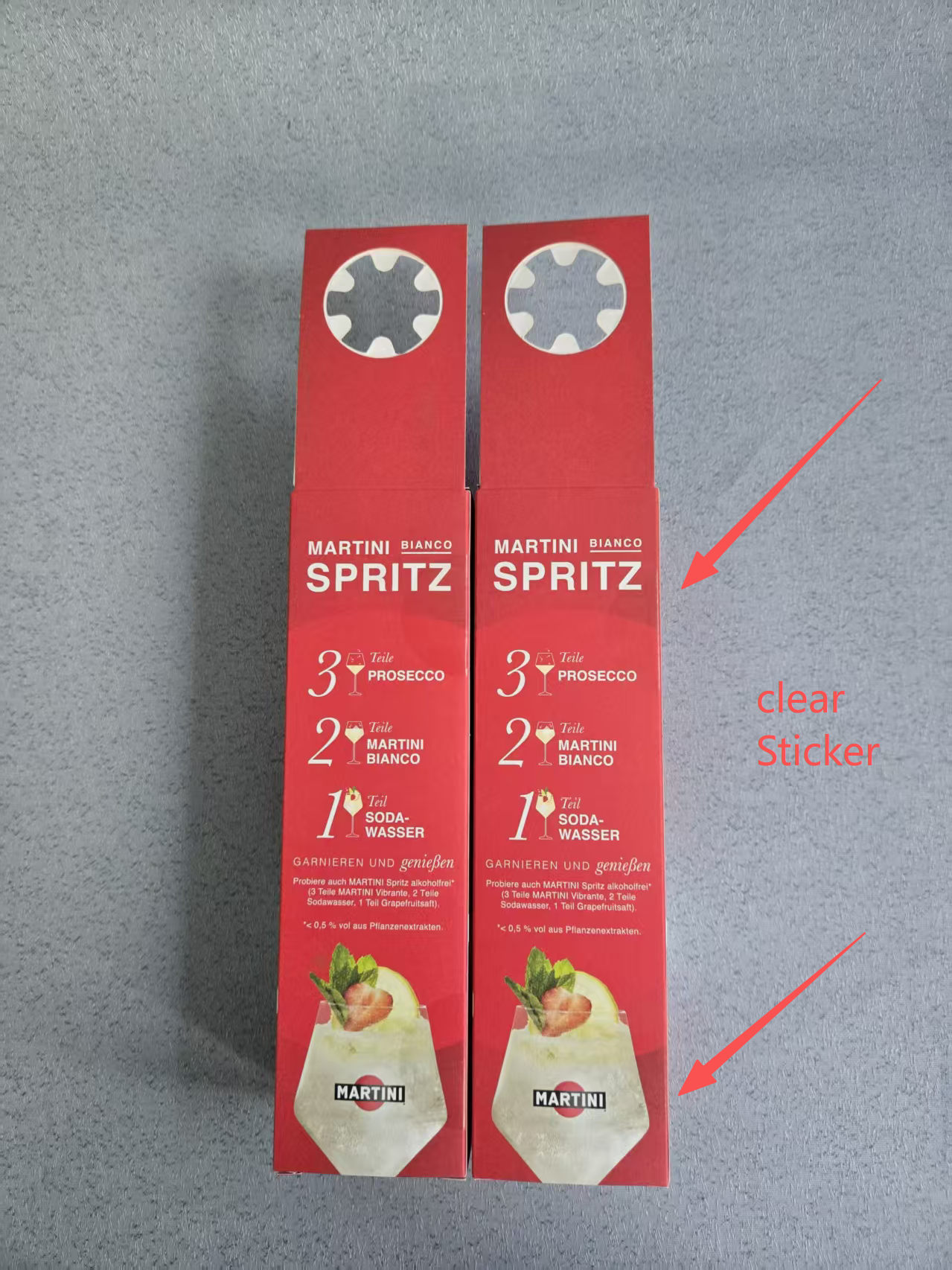
Have Questions or Need More Details?
Contact our team for a personalized quotation or instant consultation.
Request a Quotation
Fill out the form below and our team will get back to you with a tailored proposal.
WhatsApp Direct Chat
Prefer to chat in real-time? Message us on WhatsApp for instant assistance & quick answers.
- Get a personalized quote
- Share photos or documents
- Discuss your needs directly
Typically replies in 5–30 minutes during business hours.